Skip to main navigation menu Skip to main content Skip to site footer

Volume 6, No. 2Western Nigeria Journal of Medical Sciences

Published December 31, 2023

Original Article

  1. Prevalence and Determinants of Work Place Violence among Civil Servants in Osogbo, Nigeria

    Introduction: Violence is a universal phenomenon that occurs virtually in all settings where there is human interaction. The civil service represents a conglomeration of individuals with diverse backgrounds working with government establishments and with varying degrees of interactions. The aim of this study was to assess the prevalence and determinants of workplace violence among civil servants in Osun State.

    Methods: This cross-sectional study was conducted among 319 civil servants. Study participants were selected via multistage sampling method. Relevant information was obtained via a semi-structured questionnaire. Pertinent analyses were done using univariate, bivariate and multivariate approaches.

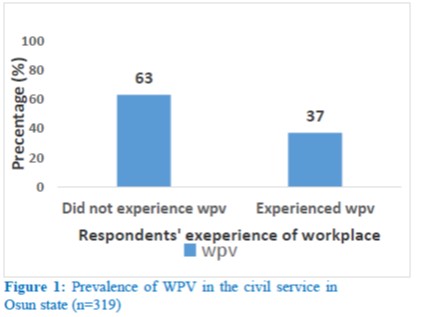
    Results: The mean age of the respondents was 38years (±9.45), with 49.8% of them being females. The overall prevalence of workplace violence was 37%. Verbal abuse (35.1%), was the commonest form of workplace violence experienced. More male respondents perpetrated all forms of violence notably verbal abuse (11.3%) compared to their female counterparts (3.8%). At the logistic regressions stage, stress was statistically significant as the predictive factor for experiencing violence both as a victim and as a perpetrator.

    Conclusion: Workplace violence is prevalent among civil servants in Osun State. Additionally, stress was discovered to be the major factor causing workplace violence. This is probably as a result of poor working conditions. Therefore, the government needs to provide the enabling environment that will improve the working conditions in the civil service.
  2. Co-administration of Zinc and Ascorbate Attenuates Germ Cell mRNA Androgen Receptor in Valorphin Induced Testicular-Toxicity in Wistar Rats

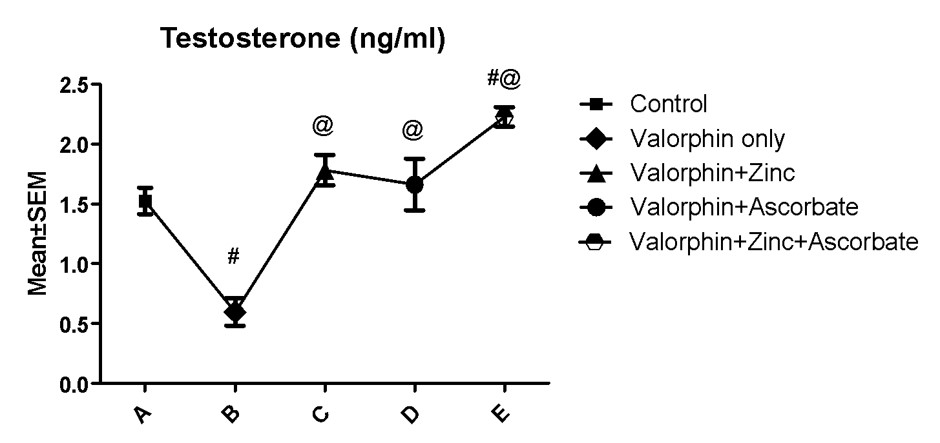
    Introduction: Opioids are substances that act on opioid receptors to produce morphine-like effects. Medically, they are primarily used for pain relief and reports have shown that Valorphin causes degenerative changes to the testes. This will in turn reduce male fertility. Thus, this work aims to investigate the effects of the pain relief drug (Valorphin) on the testes and the effect of co-administration of Zinc and Ascorbate on Adult Male Wistar Rats.

    Methods: Twenty-five (25) Wistar rats weighing between 150-180 g were used and randomly assigned into five groups designated as A, B, C, D, E (n = 5). Group A was designed as a control group which received normal saline while Group B received 3 mg/kg body weight of Valorphin only, Group C received 3 mg/kg of Valorphin and 150 mg/kg of Vitamin C, Group D received 3 mg/kg of Valorphin and 7 mg/kg of Zinc only, while Group E received 3 mg/kg of Valorphin 150 mg/kg of Vitamin C and 7 mg/kg of Zinc.

    Results: Serum testosterone concentration, percentage motile sperm, superoxide dismutase (SOD), and glutathione peroxidase (Gpx) concentrations were significantly reduced in the Valorphin-only treated group, while the androgen receptor (AR) gene was also down-regulated in this group. Significant increases in all these parameters (testosterone, motile sperm, SOD, Gpx, and AR gene) were observed in the groups where Valorphin was co-treated with zinc and vitamin C. Histopathologic results showed degenerative changes in the group administered with Valorphin only, and their lumen was devoid of sperm cells.

    Conclusion: Valorphin has been shown to have a deleterious effect on the testes, primarily by its influence on the hypothalamic-hypophyseal-gonadal axis, while co-administration of zinc and vitamin C with valorphin significantly ameliorated this testicular toxicity.

  3. Prevalence, Pattern and Correlates of Substance Use among Adolescents in selected Public Secondary Schools, in Ado Ekiti, Southwest Nigeria

    Introduction: This study sought to determine the prevalence, pattern and factors associated with substance use among adolescents in three secondary schools within Ado Ekiti, Ekiti state, Nigeria.

    Methods: The study was a descriptive study conducted in Ado Local Government of Ekiti State.  A total of 249 adolescents were sampled from three secondary schools selected using multistage sampling technique. An adopted questionnaire (ASSIST) developed by the World Health Organization was used in screening adolescents for substance use. Data was analyzed with SPSS version 22, and results presented with texts, tables and figures. Inferential statistics were done using chi square and regression analysis.

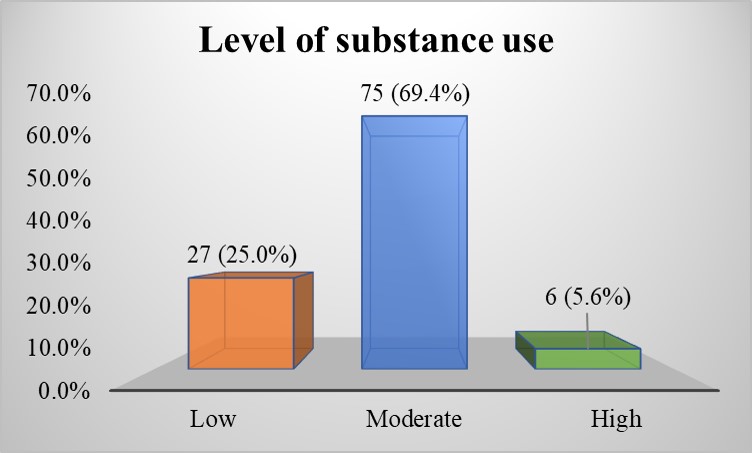
    Results: One hundred and forty-five (58.2%) of the respondents were males, 123 (49.4%) were between the ages of 14 – 16 years with mean age of 14.40 ± 2.13 years. More than half of the adolescents, 134 (53.8%), were in senior secondary school. Overall prevalence of substance use was 108 (43.4%) while 53 (21.3%) use alcohol. The respondents in school 2 were three times at risk of substance use with AOR of 3.49 and p value of 0.001 while the risk was generally less with those in senior secondary school with AOR of 0.48 and p value of 0.010.

    Conclusion: The type of school adolescent attends and the class were highly predictive of exposure to substance use. Health education on substance use should start at an early stage in secondary schools while there should be high index of suspicion to aid timely detection and treatment.

  4. Knowledge of Risk Factors for Surgical Complications and Psychosocial Well-Being Among Post-Operative Patients in Selected State Hospitals in South West, Nigeria

    Introduction: The study assessed the knowledge of risk factors for surgical complications; assessed the state of psychosocial well-being of postoperative patients after surgical intervention; identified factors for psychosocial well-being and determined the association between demographic variables and knowledge of risk factors for surgical complications among post-operative patients.


    Methods: The study employed a descriptive cross-sectional design. Random sampling technique was used to select two hospitals and a census was adopted to select 80 respondents. Structured questionnaire was used to collect data that were analyzed using Statistical Package for Social Sciences version 25.0. Descriptive statistics were used to present data and inferential statistics were used to test association between variables at p value ≤ 0.05.


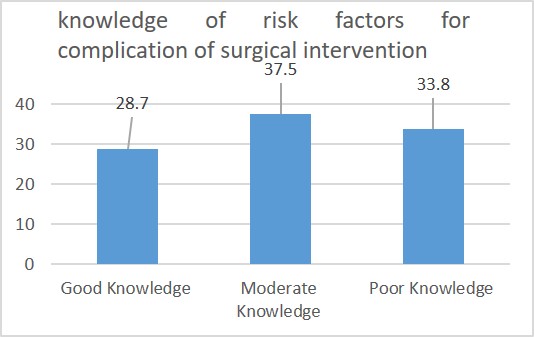
    Results: The mean age of respondents was 30.28±2.68 years and 28.7%, 37.5% and 33.8% of respondents have good, moderate and poor knowledge of risk factors of complications of surgical interventions, respectively. Also, 45% had poor psychosocial wellbeing, 42.5% had good psychosocial wellbeing, and 12.5% had fair psychosocial wellbeing level. Factors influencing the psychosocial well-being of post-operative patients were the type of surgery, duration of surgery, and presence of other ailments. Most respondents (82.5%) believed that adherence to drug regimens enhances speedy recovery, while 25.0% said smoking and drinking alcohol improves wound healing.  There was a significant relationship between knowledge of risk factors for complications of surgical intervention and the psychosocial well-being of post-operative patients (p =0.01).

    Conclusion: A considerable percentage of surgical patients had poor knowledge of risk factors for complications and poor psychosocial well-being.  Hence, there is a need to improve on the pre-operative education of patients to increase their knowledge on the risk factors for complications of surgical interventions.

  5. The Knowledge and Attitude of Traditional Birth Attendants towards Infection Prevention and Control Practices in a Southwestern Nigeria Community

    Introduction: Traditional birth attendants (TBAs) are an essential component of the social, cultural, and religious fabric of many Nigerian communities. For care throughout pregnancy and labor, they are generally acknowledged and used. They play a significant role in maternal and child health, and their practice of perinatal infection control is important in ensuring healthy childbirth. The study aimed to assess the knowledge and attitude of TBAs about infection prevention and control in Nigeria.

    Methods: This study was a descriptive cross-sectional study design conducted among two hundred TBAs in Ede town, Osun State. A multistage sampling technique was used and structured questionnaires were administered to all eligible and consenting TBAs. Data were processed using IBM SPSS version 25. The data was presented using frequency distribution tables, graphs and charts while statistical significance was determined at p <0.05. 

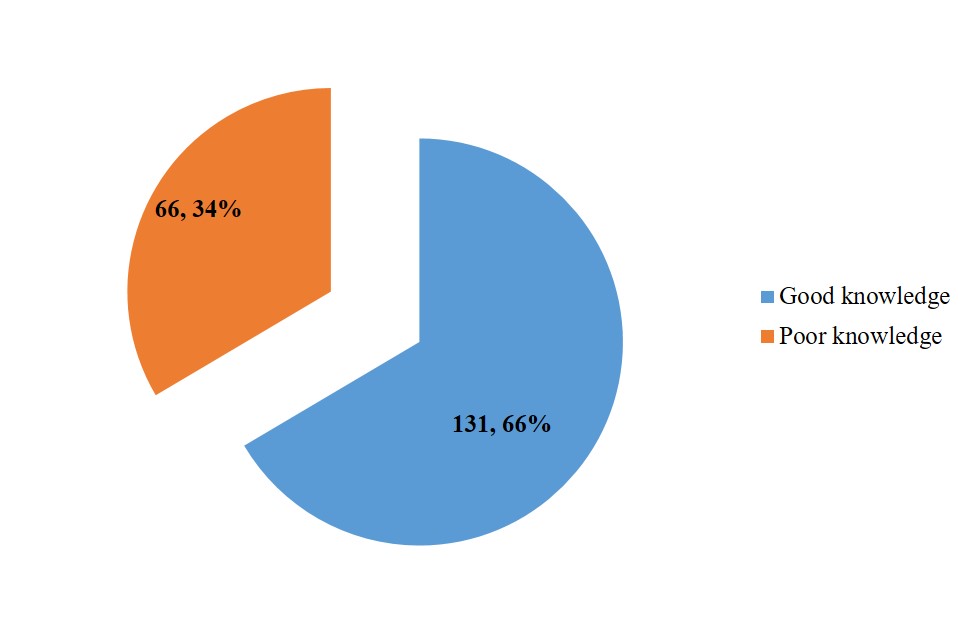
    Result: The majority (n= 185; 93.9%) of the respondents had heard of infection control practices. Most (n=131; 66.0%) had overall good knowledge about infection prevention and control measures while about a third (n=66; 34.0%) had poor knowledge regarding infection control measures. Also, 122(62.0%) of the respondents had a positive attitude towards infection control practice while 75(38.0%) had a negative attitude.

    Conclusion: Traditional birth attendants in this study had a high level of knowledge of the mode of transmission and risk factors for infections during birth but were deficient in appropriate and clinically proven preventive measures. Overall, most of the respondents had good knowledge and all the tested demographic characteristics (including age, sex, level of education, and years of practice) were significantly associated with their knowledge about infection control practices.

  6. Breastfeeding practices among nursing mothers with under-five children in Ilesa, Osun State, Nigeria


    Introduction
    Breastfeeding is one of the most effective ways to ensure child health and survival (1). The best infant feeding plan for optimal growth, development and health as recommended by WHO and UNICEF are starting breastfeeding in the 1st hour of delivery, exclusive breastfeeding (EBF) for the first 6 months of life and continued breastfeeding together with suitable complementary foods for up to 2 years or beyond (2). Breastfeeding has an important role in many different countries for public health and epidemiological studies (3). Three quarters (74%) of black infants are ever breastfed, and this is below the national average of 83% (4). About half

  7. Maternal Perception, Knowledge and Health-Seeking Behaviour of Childhood Anaemia in Ondo, South-West Nigeria

    Introduction: Anaemia is a condition that affects a significant number of children under the age of five in Nigeria. The perception, knowledge, and health-seeking behaviours of mothers can play a crucial role in the early detection and management of childhood anaemia. This cross-sectional study aimed to investigate the perception, knowledge, and health-seeking behavior of mothers towards childhood anaemia in Ondo, South-West, Nigeria.

    Method: The study was conducted at the University of Medical Sciences Teaching Hospital, Ondo. Pre-tested standardized questionnaires were used to collect data on maternal perception, knowledge, and health-seeking behaviour of 384 mothers. Data was analyzed using SPSS version 21.

    Results: Most of the mothers have good knowledge, perception and health-seeking behaviour towards childhood anaemia, with mean scores of 19.6, 41.9 and 25.5 respectively.  Knowledge about causes, symptoms, consequences, and prevention of anaemia was lowest in the youngest group of women (18-29yrs). Maternal knowledge, perception, and health-seeking behaviour in general, increased with age. Age, level of education, and religion, were associated with maternal knowledge and perception (p values <0.05). Concerns for the impact of the disease on the family, influence of what friends and relatives expect one to do and knowledge of what to do were the significant predictors of health-seeking behaviour of the mothers.

    Conclusion: Overall, the study highlights the need for targeted health education programs towards improving maternal knowledge and health-seeking behaviors of childhood anaemia in Nigeria; this would lead to early detection and management of the disease, thus reducing associated morbidity and mortality.

  8. Knowledge, Attitude, and Determinants of Indoor Air Pollution among Pregnant Women Attending Antenatal Clinics in Osogbo Metropolis

    Introduction: The nature of air indoors affects the quality of life and the general population's well-being and exposure to higher levels of ambient air pollution in pregnancy is linked to adverse birth outcomes.  As majority of women spend most time working indoors, exposure to various pollutants may result in an increased risk of various respiratory ailments. This study assessed the level of knowledge, attitude, and determinants of Indoor air pollution (IAP) among pregnant women in Osogbo Metropolis.

    Methods: This study employed a cross-sectional study design among 432 pregnant women in Osogbo metropolis via multistage sampling. A semi-structured interviewer-administered questionnaire was used for data collection and analyses were done using IBM SPSS software version 20.0. The statistical level of significance was set at P<0.05.

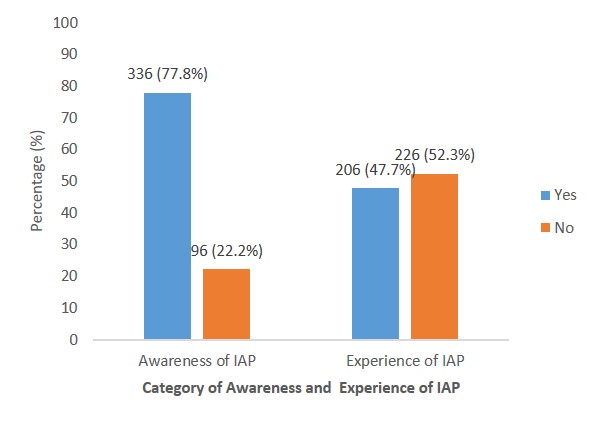
    Results: The respondents' mean age was 26 ± 5 years. More than three-quarters were aware of indoor air pollution. Correspondingly, about three-quarters were found to have adequate knowledge of indoor air pollution while the majority (89.4%) had positive attitude towards indoor air pollution. There was a significant relationship between respondent’s age and ethnicity as independent variables, and knowledge of indoor air pollution as a dependent variable (p=0.019 and p=0.024 respectively).

    Conclusion: The knowledge and attitude towards indoor air pollution were good. However, the proportion with poor knowledge and negative attitudes cannot be overlooked particularly among pregnant women. Joint efforts from the citizens and the government to allocate more resources towards the provision of appropriate and affordable facilities to minimize indoor air pollution are recommended.

Review Article

  1. Diabetes Mellitus Care in Nigeria: The Heights and the Hurdles

    Introduction: Diabetes Mellitus (DM) is a metabolic disorder that affects millions of people all over the world. It causes irreversible damage to many organs in the body while running a silent course, thus most sufferers present late to the hospital with multiple complications that impose a huge economic burden for the restoration of health to a near-normal state. This review aims to identify the most prominent barriers (hurdles) against optimum diabetes care despite significant improvements in DM care in Nigeria and highlights evidence-based recommendations/policies that are yet to be adopted for the advancement of diabetes care in Nigeria.

    Methods: A literature search was performed using google, google scholar, and academia to gather literature on the subject. Observations from various studies, review articles and reports from international bodies such as World Health Organisation were reviewed. ‘Diabetes mellitus’, ‘prevalence’, ‘Nigeria’, ‘diabetes care’, ‘complications’, ‘burden’, ‘barriers’, and ‘health care schemes’ were used as keywords for the search.

    Conclusion: In spite of the advancements that have been made in promoting diabetes care in Nigeria, poverty remains a major barrier to accessing optimum diabetes care. Many other barriers that were highlighted years ago are persistent till now in this recently conducted research. Therefore, efforts should be directed towards eradicating the already established recurrent barriers to diabetes care delivery in Nigeria, by implementation of evidence-based recommendations made by experts over the years.

Case Report

  1. Intussusception Complicated by Irreducible Gangrenous Coloanal Prolapse: Case Report and Novel Surgical Approach

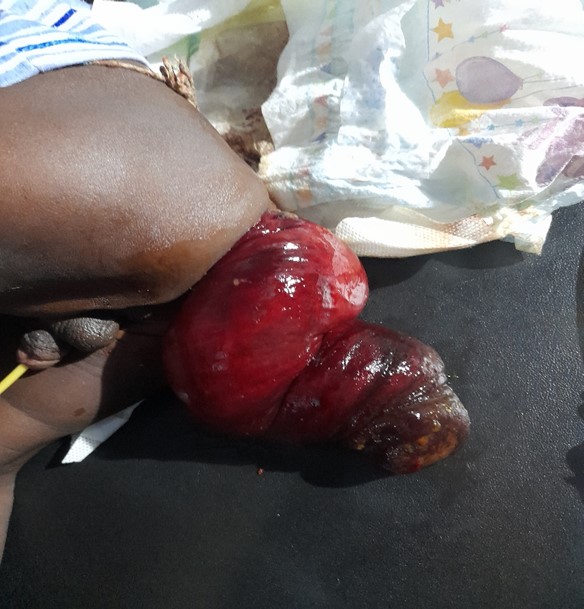
    Introduction: Childhood intussusception is a common cause of intestinal obstruction in infants and children. Late presentation may be associated with the intussusceptum protruding through the anus, which may be misdiagnosed as rectal prolapse. Most anal prolapses due to intussusception are reduced at laparotomy when they present early.

    Case Reports: Two cases with similar presentations were managed. The first was an 11-month-old boy who was referred from a neighboring health facility as a case of irreducible rectal prolapse. The anal protrusion was noticed about 12hours before presentation at the referring center. The second patient was 7-month-old at presentation. Both were managed successfully with the same surgical approach.

    Conclusion: The surgical approach used in the management of these two cases will be beneficial, especially when the conventional method fails.

  2. A rare case of Proliferative Trichilemmal Tumor in a 38-year-old male masquerading as Scalp Liposarcoma

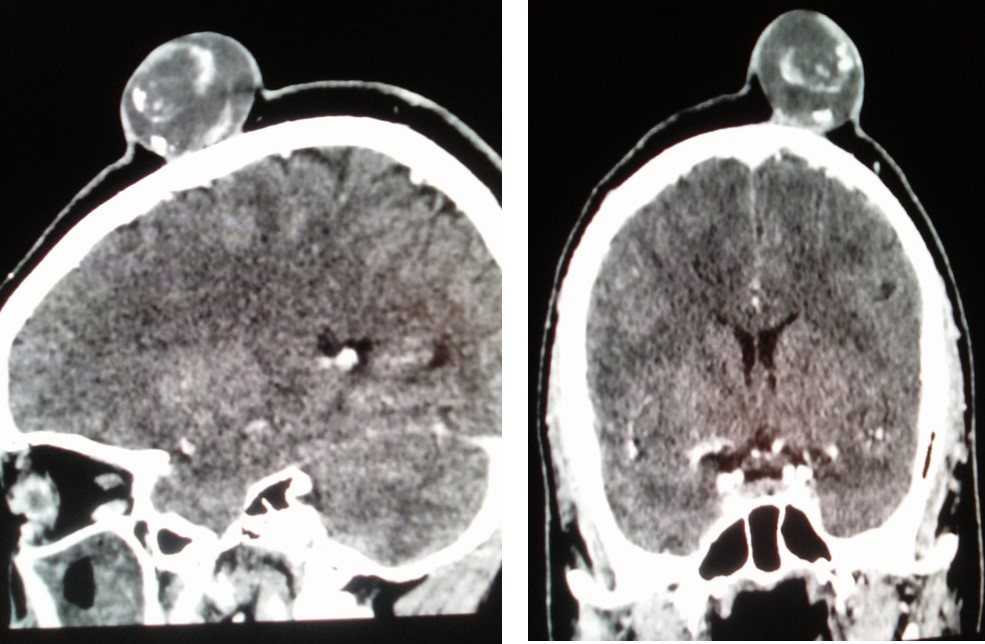
    This is a case of a 38yr old male who presented with a history of a slowly growing scalp lesion initially noticed about 10 years ago. The mass was painless, and the patient has no constitutional symptoms. There was no preceding history of trauma. Plain radiograph of the skull showed a lobulated mass of soft tissue density in the left parietal scalp region close to the vertex. The underlying skull vault was intact. Cranial computed tomographic (CT) scan   revealed a well-defined solid, lobulated mixed density mass within the skin and subcutaneous tissue in the left parietal region close to the vertex with multiple coarse calcifications within it; the mass showed heterogeneous contrast enhancement. No intracranial extension of the lesion was seen and there was no evidence of vault destruction. Histology following incisional biopsy revealed a rare proliferative trichilemmal tumor.