Skip to main navigation menu Skip to main content Skip to site footer

Volume 7, No. 1Western Nigeria Journal of Medical Sciences

Published June 30, 2024

Original Article

  1. Surgical in-patients’ intended response and perception to accepting supplemental oxygen therapy in a tertiary hospital

    Introduction: Despite the importance of oxygen therapy and its inclusion in the list of essential medicine by the World Health Organization (WHO), there are still documented evidences of patients declining the life-saving intervention for different reasons. This study was conducted to determine the intended responses and perceptions of surgical in-patients toward accepting oxygen therapy.
    Methods: This cross-sectional descriptive study was performed on a cohort of surgical in-patients in a tertiary health care centre in north-central Nigeria. Data were collected through a paper-based proforma and analyzed in Microsoft Excel using descriptive and inferential
    statistics.
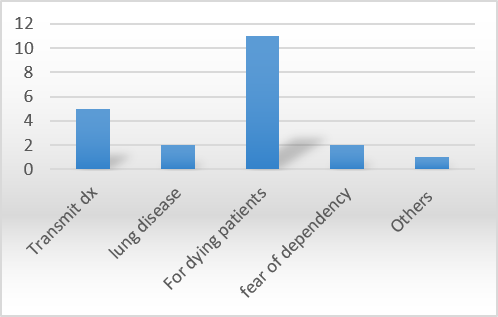
    Results: Of 33 surgical in-patients, 23(69.7%) were males while 10(30.3%) were females. The majority of the patients had chronic illnesses. Seventeen (51.5%) of the patients will not want to accept oxygen therapy. The main reason for not wanting to accept oxygen therapy was the belief that oxygen therapy is meant for patients who are about to die. Previous use of oxygen therapy (p=.0004), knowledge about oxygen (p=.0025), and chronic illness (p=.0227) were statistically significant associated factors towards accepting oxygen therapy. Accepting oxygen therapy had no significant association with demographic characteristics (gender, age, educational status, and marital status).
    Conclusion: This study has shown that more than half of surgical in-patients will not want oxygen therapy due to misconceptions about oxygen therapy. There is a need for public and community education to increase community awareness of the benefit of oxygen therapy when the need arises.
  2. Beliefs, Misconceptions and Patterns towards Maternal Nutrition Among Pregnant Women Attending Primary Health Centers in Osogbo, Nigeria.

    Introduction: This study assessed the beliefs and misconceptions towards maternal nutrition among pregnant women attending Osogbo primary health centres with a view to improving nutrition by strengthening the nutrition counseling component of antenatal care (ANC) and increasing literacy status to reduce taboos/misconceptions.

    Methods: A descriptive cross-sectional design was employed. Data were collected using semi-structured self-administered questionnaire. Data was analyzed using SPSS version 25.0 and presented in table and charts. The hypotheses were tested using chi square at 5% significance level

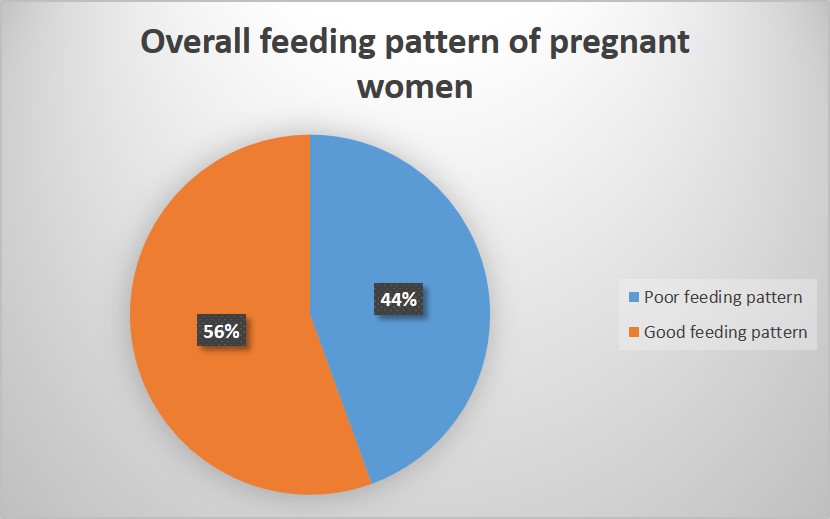
    Results: The findings showed that the overall feeding pattern of pregnant women was average (56%). A major misconception was that eating less food will make delivery easier. Among different factors affecting good dietary practices among pregnant women, majority 150 (79.4%) said okra and snail are taboos in their culture.

    Conclusion: Poor dietary practice can affect the quality of life of both the foetus and the mother during and after pregnancy. Wrong belief/misconception can results in a condition affecting the health of the mother and the foetus.

  3. Clinical Impact of Children with Sickle Cell Anaemia on their Caregivers’ coping ability at a tertiary hospital in North Western Nigeria

    Introduction: Caregivers of children with Sickle Cell Anaemia (SCA) are exposed to intense pressure of taking care of their children with the risk of developing psychological problems which could affect their coping abilities. The study aimed to assess the clinical impact of children with SCA on coping abilities of their caregivers in order to improve the care of the children with SCA and the coping abilities of their caregivers.


    Methods: It was a cross sectional study carried out at the Sickle Cell clinic at Barau Dikko Teaching Hospital, Kaduna, North-Western Nigeria. All consecutive eligible caregivers of children with SCA attending the Sickle clinic from February to April 2016 were recruited till the desire sample size of 133 was met. The coping ability domain of the structured Sickle Cell Disease Burden Interview (SCDBI) was used. Ethical clearance was obtained from the ethical committee of Kaduna State Ministry of Health.


    Results: Sixty three (47.4%) of the caregivers were more than 35 years of age. Majority were Hausas 84 (63.2%), Muslims 100 (75.2%) and married 114 (85.7%). Only 45 (33.8%) had secondary education, 43 (32.3%) were unemployed and 42 (31.6%) were unskilled laborers. There was significant association between coping ability of the caregivers and school absenteeism of their children (p=0.030).

    Conclusion: School absenteeism of children with SCA affects the coping ability of their caregivers. There is need for prevention of recurrent crisis to avoid school absenteeism.

  4. Knowledge and Attitude towards Glaucoma Screening and Uptake in Adults of the Rural Community of Sekona Ede South Local Government area, Osun state

    Introduction: Glaucoma is a group of ocular diseases with multifactorial optic neuropathy. It is second to cataract as the most common cause of blindness. Unlike cataract, the blindness it causes is irreversible. The commonest type of glaucoma is primary open angle type which is a silent blinding disease. This is the reason for community screening in order to identify it early before blindness sets in. This study assessed the level of knowledge and attitude towards glaucoma screening and uptake, to determine if any, the association between socio-demographic factors, knowledge, attitude to glaucoma screening and uptake among the people of Sekona community, Ede South LGA, Osun State, Nigeria.

    Methods: A pre-determined sample size of two hundred and fifty respondents was chosen using multi-stage sampling technique and a descriptive cross-sectional study design. An interviewer-administered questionnaire was used to collect data. The data obtained were processed and analyzed using IBM SPSS Version 23. Uni-variate analysis was used and data were presented using frequency tables and charts. Bi-variate analysis (using Chi-square statistics) was done to determine the relationships between categorical variables, with CI of 95% and level of statistical significance set at p< 0.05.

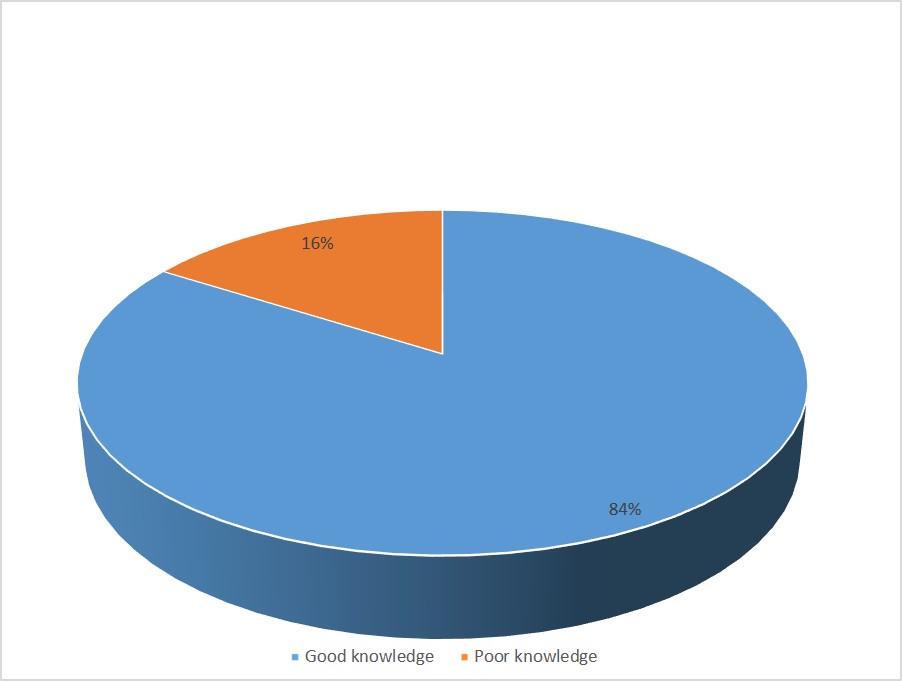
    Results: Majority (84%) of the respondents were aware of glaucoma and the source of information was minly television (36.70%). Also, most (80%) of the respondents had positive attitude to screening and majority, 158 (63.20%) had no uptake of screening. There was a significant association between level of education and knowledge of glaucoma (p=0.05). However, there was no significant association between other socio-economic factors and knowledge.

    Conclusion: Majority of the respondents had good knowledge of glaucoma and glaucoma screening. Most of the respondents had no uptake of glaucoma screening. Most of the respondents had good attitude towards glaucoma screening.

  5. Assessment of Knowledge and Perception on Prevention of Prostate Cancer Among Male Staff in Achievers University, Owo, Ondo State

    Introduction: Prostate cancer is a common type of cancer that affects men all over the world, and is regarded as a major health concern due to its high incidence, death and treatment costs. This study assessed male staff members at Achievers University, Owo, Ondo State, on their level of knowledge about prostate cancer as well as their perceptions of its prevention.

    Method: The data from 162 male staff members of the University were collected using a structured questionnaire regarding their knowledge of prostate cancer and its prevention as well as their health-seeking behaviours about the disease. Inferential and descriptive statistics were used to analyze the data, with a 5% level of significance.

    Result: Majority of the respondents (45.7%) were aged 18-28 years; most were Christians (86.4%), with 18.5% working as administrative staff, 13.6% as drivers, 21.0% as clerical officer, and 32.1% as lecturers. Only 6.8% had a family history of prostate cancer;  84.6% had excellent knowledge of the disease, with 88.2% having a favorable perception.

    Conclusion: The study found that people with a family history of prostate cancer were more knowledgeable. Educated participants also expressed a desire to learn more about their health issues. Health awareness programmes should be reinforced to promote awareness and educate people about prostate cancer on a regular basis. 

  6. Pattern of Catheter-Associated Urinary Tract Infection following Caesarean Section at an Urban Tertiary Hospital in Lagos, Nigeria

    Introduction: This study investigated the pattern of Catheter-Associated Urinary Tract Infection (CAUTI) following Caesarean Section (CS) at an urban hospital in Lagos, Nigeria. Specific objectives included assessing the incidence and prevalent microorganisms associated with CAUTI.

    Methods: This cross-sectional study was conducted at the Maternal and Child Centre, Ifako-Ijaiye, Lagos State. A hundred pregnant women who had both elective and emergency C-sections and had urethral catheterization for at least 24 hours were recruited. Data on demographic characteristics, C-section details, and urinary symptoms were collected. Catheter urine samples were sent for microbiological analysis for all the participants.

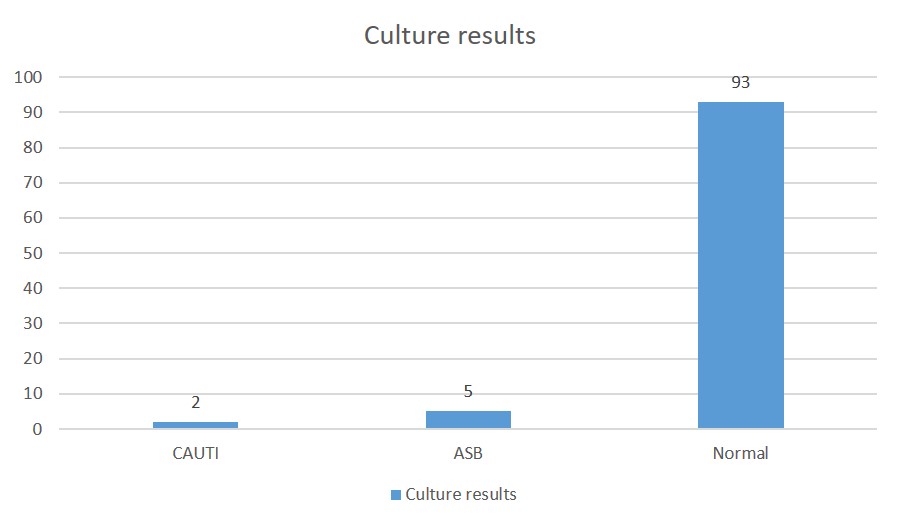
    Results: Despite prophylactic antibiotics, the prevalence of CAUTI was 2%. One participant cultured Staphylococcus aureus, while Escherichia coli was cultured in the other. Both participants had emergency C-sections. Two percent of the patients developed CAUTIs.

    Conclusion: This study revealed a CAUTI prevalence of 2% post-CS, emphasizing the significance of catheterization duration and aseptic techniques. This was recorded in the emergency C-section participants.

  7. Knowledge, Attitude and Practices of Commercial Motorcyclists Towards Helmet Usage in Osogbo Metropolis of Nigeria

    Introduction: Helmets are known to mitigate the risk of traumatic brain injury and fatality among motorcyclists involved in road traffic crashes. Despite their proven effectiveness, the adoption of helmets remains low among commercial motorcyclists in many parts of Nigeria. This study aimed to assess the knowledge, attitude, and practices (KAP) towards helmet usage among commercial motorcyclists in Osogbo metropolis, Osun State, Nigeria.

    Methods: A descriptive cross-sectional study involving 217 commercial motorcyclists was conducted using a multi-stage sampling technique. A pre-tested interviewer-administered semi-structured questionnaire was used to collect data on knowledge, attitude and practices regarding helmet usage. Data was analyzed using IBM SPSS version 25.0. Univariate analysis was done using a frequency table for socio-demographics. Chi-square test was used for bivariate analysis of association between categorical variables. Level of significance was set at p<0.05

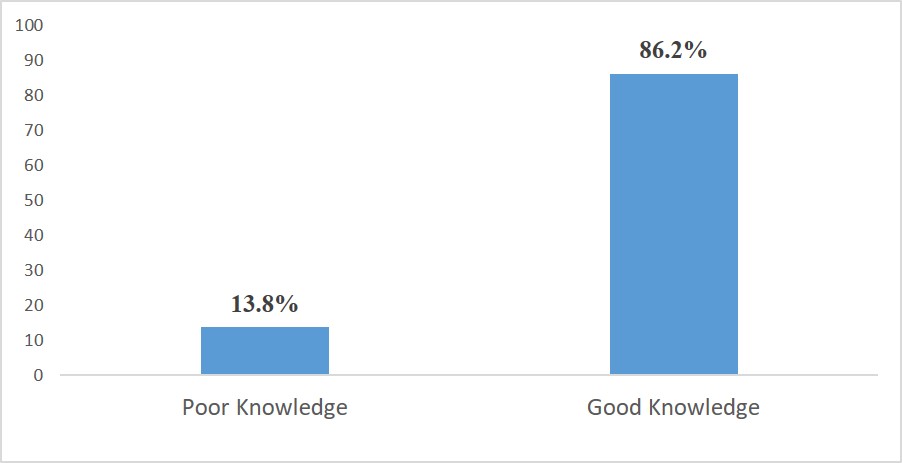
    Results: The results indicated that while most respondents demonstrated good knowledge regarding helmet usage (86.2%), their attitudes and practices towards helmet usage were generally poor (57.1% and 86.2%, respectively). Age, ethnicity, educational level, motorcycle ownership and engagement in other vocational activities had statistically significant association with good knowledge regarding helmets (p-values <0.05). Ethnicity, income and motorcycle ownership were significantly associated with good attitude towards helmet usage (p-values <0.05) whereas only educational level and motorcycle ownership had significant association with good practices.

    Conclusion: The findings underscore the need for targeted interventions to promote positive attitudes and practices towards helmet usage among commercial motorcyclists in Osogbo metropolis.

Case Report

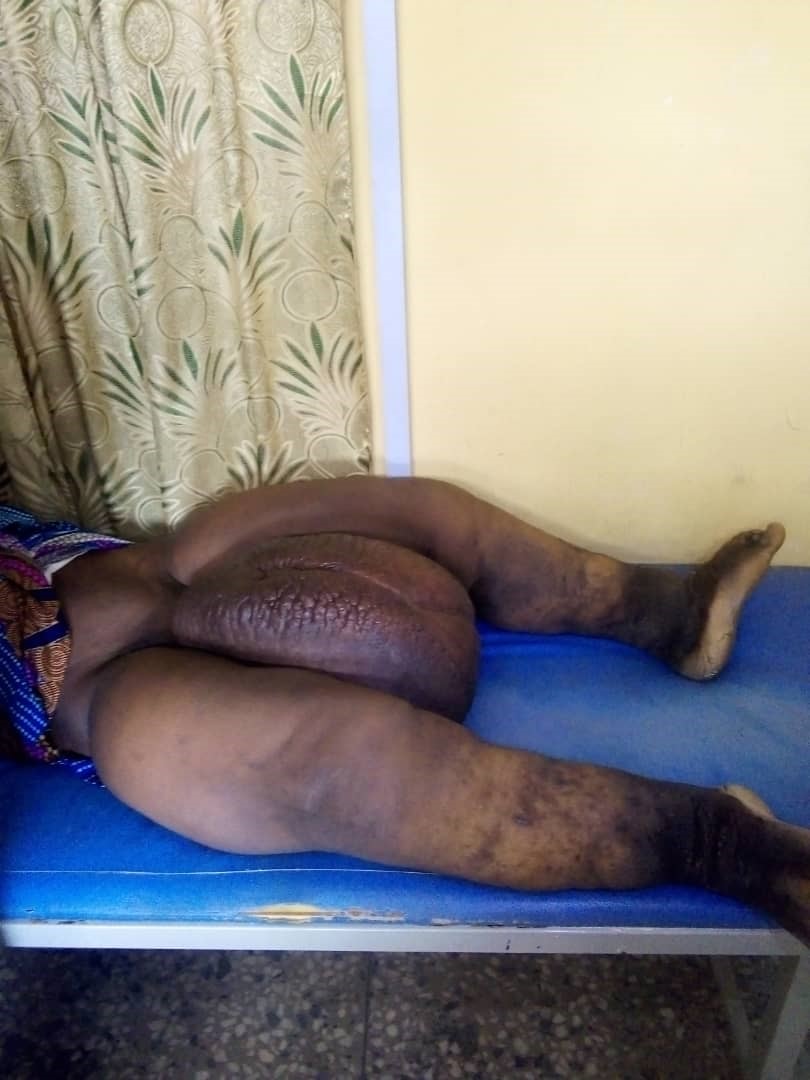
  1. Massive penoscrotal and bilateral lower limb lymphedema in a young African: a case report

    Introduction

    Lymphedema is a challenging disorder characterised by swelling and fibrosis of the skin and subcutaneous tissue due to obstruction of the lymphatic drainage. The penoscrotal area is sometimes affected with untoward clinical and psychosocial effect on both patients and relatives.  Rarely, the external genitalia and the extremities may both be affected as seen in our index patient.

    Case report

    We report the case of a 23-year-old man with massive penoscrotal lymphedema and bilateral lower limb lymphedema who had surgical excision and reconstruction with the remnant normal tissue.

    Conclusion

    Massive penoscrotal lymphedema with bilateral lower limb lymphedema is a rare occurrence and very few has been reported in the literature especially in Sub-Saharan Africa.

  2. Non-secretory Multiple Myeloma in a 37-year old pregnant woman in Owo: A Case Report

    Introduction: This is a report of non-secretory multiple myeloma in a young woman.

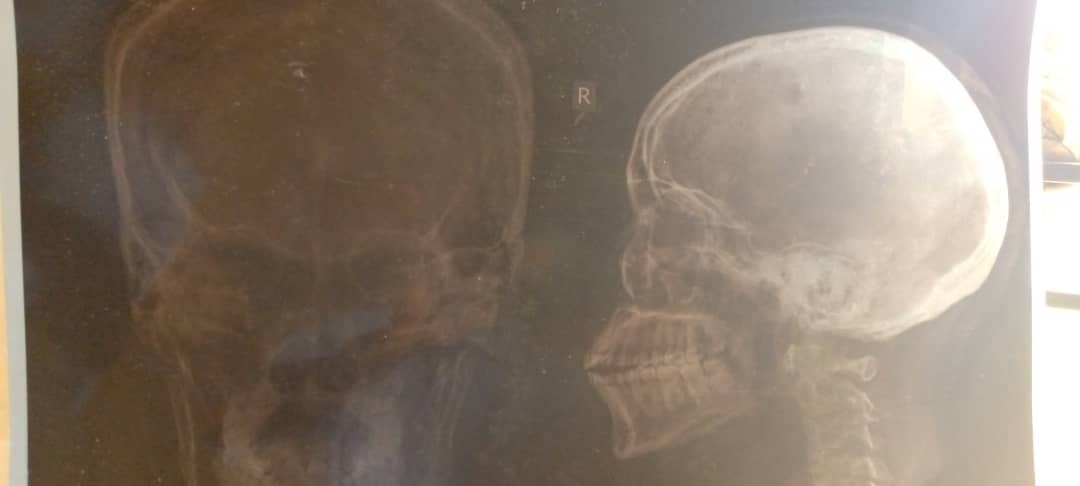
    Case report: A 39-year old pregnant woman presented with chest pain, weight loss, generalized joint pain, body weakness, bilateral knee join swelling and fractures of the left humerus and distal femur. Investigations revealed leukocytosis, elevated plasma alkaline phosphatase, negative serum protein electrophoresis and Bence Jones protein, anaemia and elevated erythrocyte sedimentation rate. Skull X-ray showed moth-eaten appearance in keeping with myelomatosis. She had intrauterine foetal death; and was managed subsequently as a case of non-secretory multiple myeloma with chemotherapy and had a tremendous improvement.

    Conclusion: This case illustrates the occurrence of patients with multiple myeloma who do not secrete immunoglobulins in our environment.

  3. A Massive Postpartum Mucinous Cystadenoma in a Teenager

    Introduction: Huge ovarian cyst is seldom reported in the gravid-puerperium period, and delay in its diagnosis may result in unpleasant foeto-maternal outcomes.

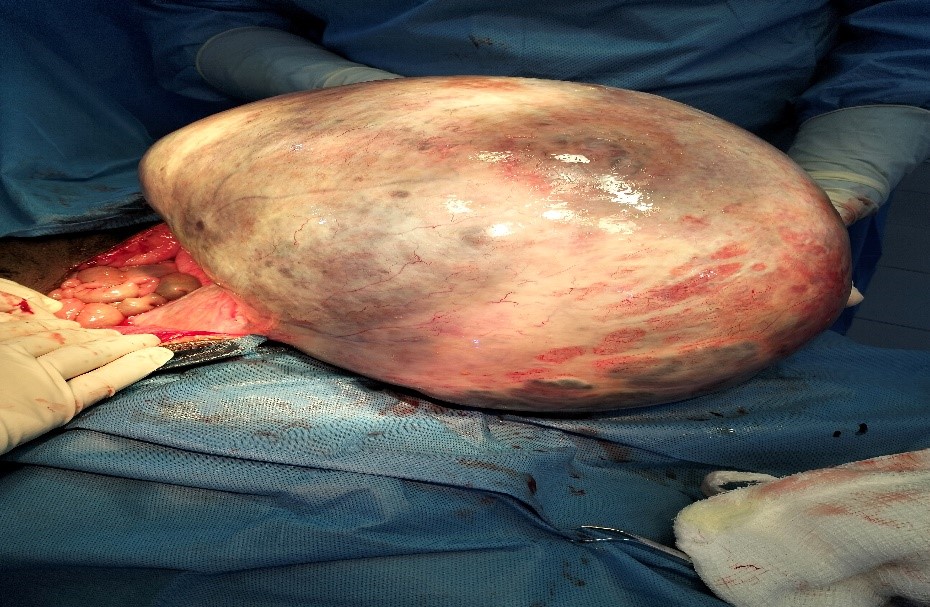
    Case presentation: A 19-year-old single lady presented with unresolved progressive abdominal distension three days after spontaneous vaginal delivery at a traditional birth attendant (TBA) home. Diagnostic and therapeutic laparotomy with salpingo-oophorectomy yielded a huge multicystic ovarian mass. The histopathology report revealed mucinous cystadenoma of the right ovary.

    Conclusion: Post-partum huge ovarian cyst is rare, hence systemic approach is vital in its management to prevent postoperative complications, and recurrence as well as preservation of future fertility.

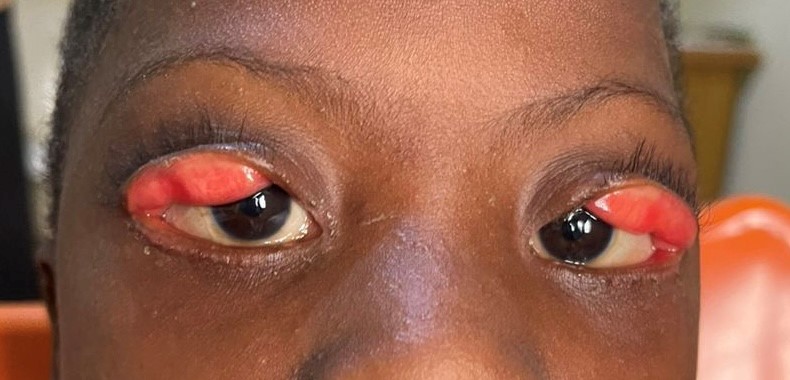
  4. Case report of congenital bilateral ectropion of the upper eyelids in a 6 year old boy with Down Syndrome

    Introduction: Congenital ectropion is a rare but usually benign condition in which the upper eyelid is turned outward. It may be associated with Down syndrome, congenital lid disorders such as blepharophimosis syndrome, congenital ichthyosis and birth trauma. We report this case to call attention to, and improve the understanding of various paediatric caregivers about this rare condition, and to encourage prompt referral to the specialists when it is diagnosed.


    Case Report: We report a case of congenital bilateral ectropion in a 6 year old boy with Down Syndrome. His condition was noticed at birth and he was admitted for two weeks from birth because of the eye; but was discharged home despite minimal improvement. His mother brought him to our facility because the problem persisted and the child also has tearing and recurrent purulent eye discharge. He was placed on topical antibiotics; the anxious mother was reassured and child was referred for surgery.


    Conclusion: The condition is largely benign though complications may result from delayed and improper treatment.