Skip to main navigation menu Skip to main content Skip to site footer

Volume 8, No. 1Western Nigeria Journal of Medical Sciences

Published June 30, 2025

Original Article

  1. Pattern of skin diseases in patients attending dermatology clinic at UNIOSUN Teaching Hospital, Osogbo, Nigeria

    Introduction: Skin diseases constitute major health challenge in developing country where low educational level, poverty, overcrowding, unemployment are abundant. This study seeks to evaluate the current pattern of presentation of skin diseases to help in health planning and resource allocation.

    Methods: This is a retrospective study of patients who attended dermatology clinic of the UNIOSUN Teaching Hospital, Osogbo, Nigeria, between July 2021 and June 2022. The medical records of the patients were reviewed. Data on demographics and diagnosis of the skin disease were obtained. Univariate and bivariate statistics were done.

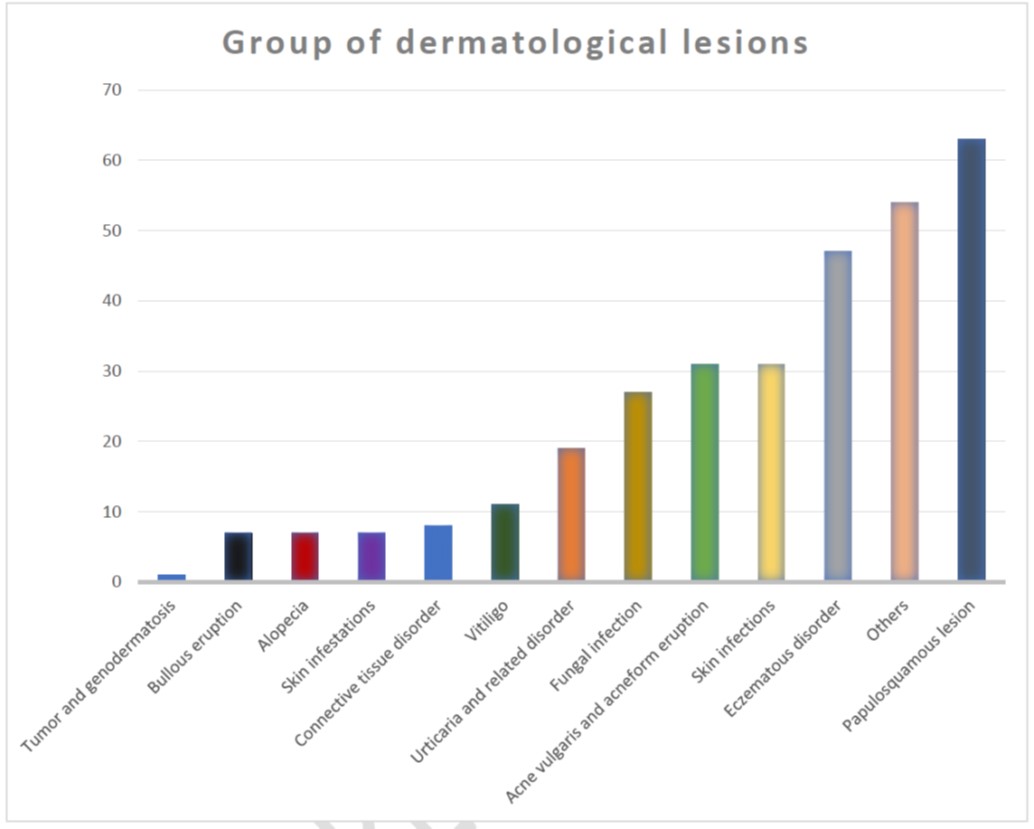
    Results: The study had 313 patients out of which 197(62.2%) were females, 116(37.1%) were males and most 139(44.4%) were in the age range of 15-34years. Papulosquamous disease was the commonest skin disease, 63(20%), followed by eczemas, 47 (15%) of which atopic dermatitis, 21(44.7%), was the most prevalent. Acne vulgaris and skin infection affected 31(9.9%) patients each with acne vulgaris been most common in the age group 15- 34 years. Skin tumor was the least in occurrence, 1(0.3%).

    Conclusion: Non-communicable skin diseases are the commonest skin diseases in our centre, however, skin infection also has a high prevalence. Health education and easy accessibility of skin health care to the populace are advocated.
  2. Factors influencing healthcare workers' acceptance of voluntary COVID-19 PCR testing during the peak of the pandemic: Insights from a Nigerian tertiary facility

    Introduction: COVID-19 surveillance among healthcare workers is vital to prevent hospital transmission. This study assessed healthcare workers' willingness to voluntarily test for SARS-CoV-2 infection.

    Methods: A cross-sectional study was conducted among 234 staff in a Nigerian tertiary healthcare facility using a 25-item questionnaire to obtain information on sociodemographic/occupational characteristics, willingness to have a COVID-19 PCR test and self-perceived barriers to testing. Data were analyzed using SPSS version 25, with a significance level set at p < 0.05. Associations were tested using odds ratios with a 95% confidence interval.

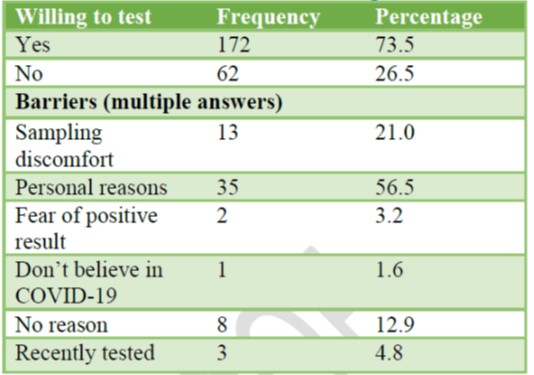
    Results: The mean age was 40.1±10.7 years with a male to female ratio of approximately 1:1. More than two-thirds of health workers, 159 (68.0%) perceived they were at high risk for COVID-19. Most health workers, 172 (73.5%) were willing to test voluntarily for COVID-19. For persons not willing to be tested, personal reasons (35; 56.5%) and sampling discomfort (13; 21.0%) were reasons for non-willingness to test. Being married or in a union (OR: 0.32, 95% CI: 0.13-0.76; p=0.011), currently showing symptoms suggestive of COVID-19 (OR: 7.51, 95% CI: 2.191-26.70; p=0.002) and previous COVID-19 vaccination (OR: 3.35, 95% CI: 1.58-7.20; p=0.002) were the significant predictors of willingness to test for COVID-19.

    Conclusion: Most health workers were willing to take a voluntary COVID-19 PCR test. The main barriers to testing were personal reasons and discomfort with the sample collection. It is important to explore alternative sample collection methods like pooled saliva-based testing and establishing multiple on-site testing centers as ways of improving voluntary testing.

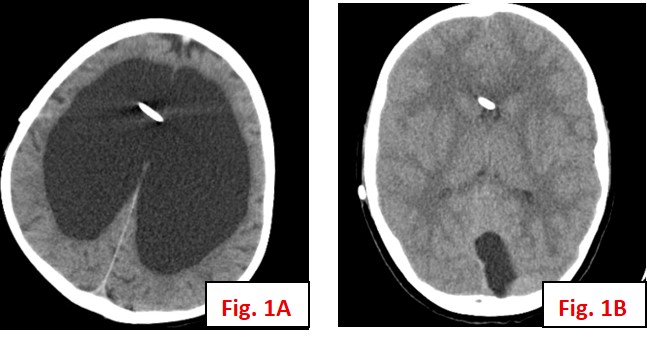
  3. Orthopaedic care for bone injury among adults: Why do patients prefer orthodox measures?

    Introduction: In developing countries, many patients see traditional bonesetters (TBS) as the first choice for caring for bone injuries. Notwithstanding hospital bureaucracy and supposedly higher cost of care, some patients prefer accessing care from orthodox facilities. This study examined factors influencing patients’ patronage of hospital’s orthopaedic services.

    Methods: Descriptive cross-sectional study done over six months utilizing a structured questionnaire to obtain information on patients’ biodata, cause and nature of the injury, place of initial presentation, reasons for patronizing orthodox care, areas of dissatisfaction with orthodox care, outcome of treatment and suggestion on ways hospital could satisfy patients better. Univariate and bivariate data analysis were done with level of statistical significance set at p <0.05.

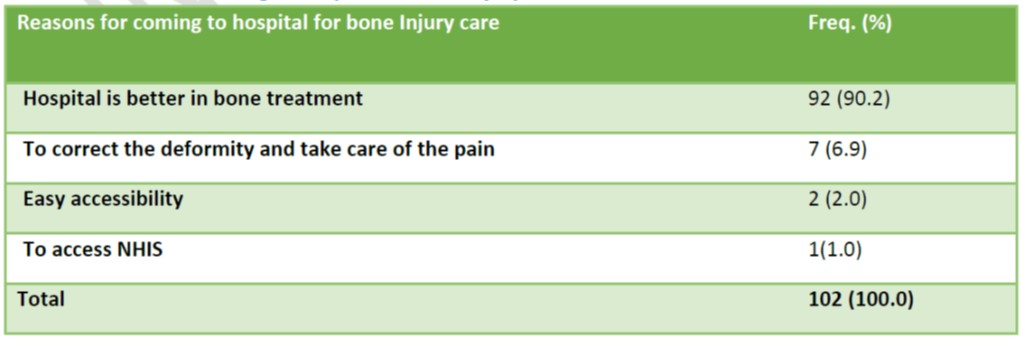
    Results: The study had 102 patients: 65 males and 37 females, aged 19-95 years. Road traffic injury accounted for 76.5% of the injuries. Tibiofibular {29(28.4%)} and femoral {24(23.5%)} fractures occurred the most. Forty-six (45.1%) had presented elsewhere earlier; 92(90.2%) came to the hospital because they believed the hospital was better in bone treatment. Patients did not consider TBS because they believed hospital care was more standard, 63(61.8%), or to avoid complications, 17(16.7%). All would recommend orthodox bone care to others except one.  Satisfactory outcomes were obtained in 88(86.3%), while patients who had visited TBS 17(16.7%) had the highest complications. Suggestions on how the hospital could serve patients better included improved attention to patients and reduced cost.

    Conclusion: Patients access orthodox care for bone injury because they believe orthodox care is better, standard, and has fewer complications.

  4. Pattern of medical admissions in a tertiary facility in North-East Nigeria: A 5-year review

    Introduction: The knowledge of morbidity pattern and its outcome is important for monitoring and evaluation of clinical practice. It is also essential for healthcare authorities to improve on services provided to the populace and for planning purposes. This study determined the morbidity pattern and outcome of patients admitted to the medical wards of a tertiary facility in North-East, Nigeria.

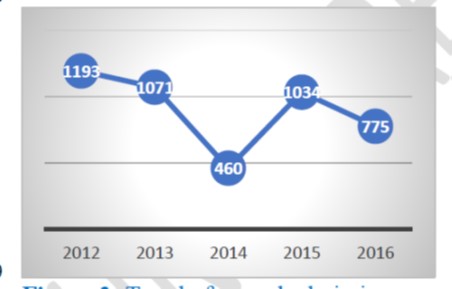
    Methods: This was a retrospective study of admissions to the medical wards of the Federal Teaching Hospital, Gombe, Nigeria, between 2012 and 2016. The medical records of patients were retrieved and reviewed. Information obtained included demography, diagnosis, comorbid conditions and outcome of admission. The diagnoses were classified using the World Health Organisation (WHO) International Classification of Diseases (ICD) Version 11. Simple descriptive analysis was done.

    Results: A total of 5176 patients were admitted in the medical wards of the hospital comprising of more female and married patients (53.3% and 84.5% respectively). The mean age was 46.8 ± 17.9 with 45-54 years age bracket forming the largest proportion of patients. The most common cause for admission to the was infections (28.2%), followed by cardiovascular and renal diseases (23.8% and 12.7% respectively). Overall mortality was 20.7%.

    Conclusion:  Non-communicable diseases were the major causes of medical admissions in this study though the proportion of infectious conditions was high. There is need to promote the preventive aspect of medicine to reduce the scourge of non-communicable diseases among the populace.

  5. Echocardiographic patterns in patients with Human Immunodeficiency Virus infection

    Introduction: Human immunodeficiency virus (HIV) may cause progressive dysfunction of multiple organ systems including cardiac abnormalities some of which may be subclinical in nature. This study evaluated the echocardiographic patterns in patients with HIV infection.

    Methods: A prospective case-control study involving one hundred HIV- seropositive adult patients of age range 18 – 60 years (mean: 44.9 + 10.09 years) comprising 79 females and 21 males. Echocardiography was performed to assess the interventricular septal wall, left ventricular posterior wall thickness, left ventricular ejection fraction and diastolic function abnormalities. SPSS was used for univariate, bivariate and multivariate data analysis with statistical significance set at p-values of <0.05.

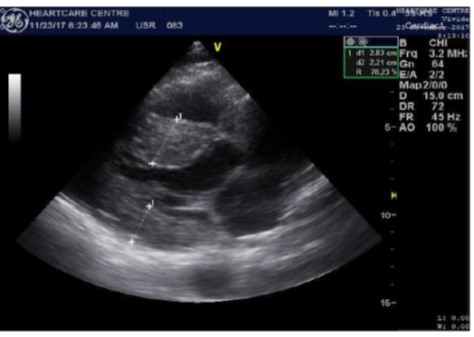
    Results: The interventricular septum and left ventricular posterior wall thicknesses were increased, whilst the ejection fraction values were reduced with diastolic function abnormalities. Additional cardiac abnormalities detected included dilated cardiomyopathy and a calcified tricuspid valve.

    Conclusion: Echocardiographic imaging of persons with HIV infection showed an increase in the interventricular septal thickness, left ventricular posterior myocardial wall thickness with reduced ejection fraction and presence of diastolic function abnormalities.

  6. Prognostic significance of preoperative serum albumin level in patients undergoing emergency laparotomy in University of Benin Teaching Hospital, Benin, Nigeria

    Introduction: Preoperative serum albumin level has prognostic value which may aid appropriate risk stratification and planning of the perioperative and postoperative care of patients that undergo emergency laparotomy. This study is aimed at evaluating the prognostic value of preoperative serum albumin level in predicting 30-day postoperative mortality and morbidity in patients that had laparotomy for acute abdomen.

    Methods: An observational study was conducted over 12 months at University of Benin Teaching Hospital. Eighty-seven patients that had emergency laparotomy were recruited. Preoperative serum albumin levels were measured. Patients were followed up for 30 days postoperatively, taking note of complications, mortality and duration of admission. Data was analysed using SPSS version 22.0. Fischer’s exact test and multivariate analysis were used to determine association between variables. Statistical significance was set at p-values less than 0.05.

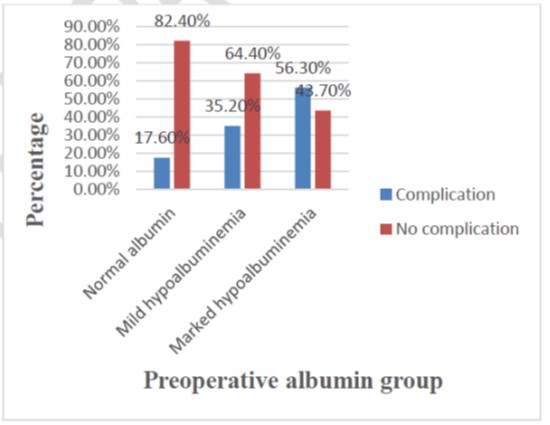
    Results: Eighty-seven adults were studied, 61 (70.1%) males and 26 (29.9%) females. Thirty-one (35.6%) patients developed at least one complication. The most common complication was surgical site infection. Hypoalbuminemic patients had more complications, higher mortality and had more prolonged admission than patients that had normal preoperative albumin levels: (40% vs 17%, 18.8% vs 5.9%, and 31.4% vs 17.6% respectively). Hypoalbuminemia was associated with development of surgical site infection (p=0.006) and burst abdomen (p=0.032).

    Conclusion:  This study demonstrated that preoperative serum albumin level can be used to prognosticate 30 days postoperative outcome of emergency laparotomies.

  7. Occupational hazard exposure and hepatitis B vaccination uptake among police officers in Osun State, Nigeria

    Introduction: The high prevalence of hepatitis B infection among crime victims puts police officers regularly exposed to them as a matter of duty at higher risk of being infected. This study assessed occupational hazard exposures and hepatitis B vaccination uptake among police officers in Osun State, Nigeria.

    Methods: The study adopted a descriptive survey design, and a multistage sampling technique to select 372 respondents from 4,743 police officers, calculated using Cochran’s modified formula. Data were collected with a structured questionnaire having a Cronbach's alpha reliability score of 0.83. Data were analyzed using descriptive statistics of frequencies and percentages. Inferential statistics with Chi-square was used to test the hypothesis at a 0.05 level of significance.

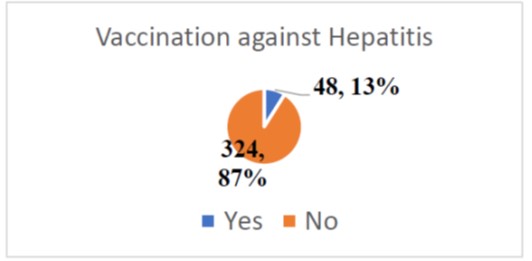
    Results: Most respondents had over 20 years of work experience. While 58% had good knowledge of hepatitis B infection prevention practices, only 28% reported good preventive practices, and 324 (87%) had not been vaccinated against the disease. Key hazards identified included needle stick injuries (11%) and exposure to blood from suspects’ wounds (47.1%). There was a significant relationship between knowledge level and preventive practices regarding hepatitis B.

    Conclusion: This study explained the need for interventions to improve vaccination coverage, hazard mitigation, and adherence to preventive practices among police officers in Osun State.

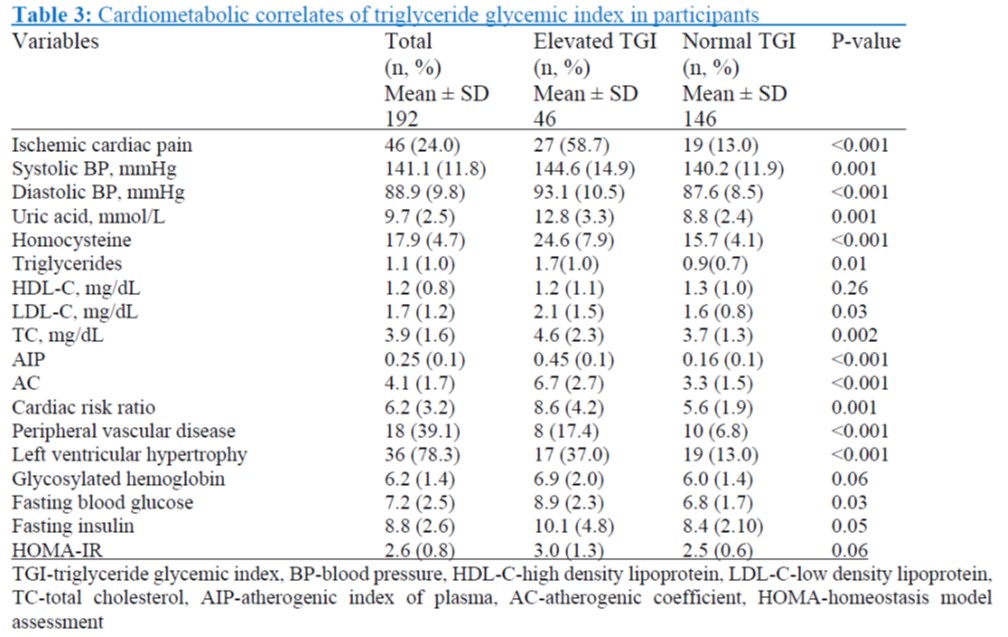
  8. Gender differences of Triglyceride Glycemic Index as a marker of cardiometabolic and renal dysfunctions in Type-2 Diabetes Mellitus

    Introduction: Triglyceride glycemic index (TGI), a product of the serum triglyceride and fasting blood glucose, is a documented better marker of insulin resistance than the validated homeostasis model assessment (HOMA). A detailed understanding could minimize the pan-systemic inflammatory changes associated with its elevation. This study assessed the relationship between TGI and metabolic/cardiovascular dysfunctions in type 2 diabetes mellitus (T2DM).

    Method: This cross-sectional study analyzed the data of 192 T2DM patients to assess the TGI and determined its sociodemographic, clinical, and laboratory correlates.

    Results: The mean age (which included 6.2% females) was 60.4±11.6 years. Central obesity, microalbuminuria and elevated TGI were more common in women, p=0.04, p=0.04 and p=0.32 respectively. TGI was associated with aging (p=0.002), hypertension (p<0.001), hyperhomocysteinemia (p<0.001), poor glycemic control (p=0.07) and microalbuminuria(p=0.06). The higher TGI in women (who had lower fasting glucose levels) reflects the disproportionately higher hypertriglyceridemia in them compared to the men. Age-related TGI reflected the large proportion (56.2%) of post-menopausal women among the elderly population. The pan-systemic inflammatory effect of elevated TGI was highlighted by its positive relationship with LVH (p<0.001), elevated fasting insulin (p=0.04), and declining kidney function (p=0.33). Predictors of elevated TGI were central obesity, hypertension, hyperhomocysteinemia, atherogenic index of plasma, cardiac risk ratio and left ventricular hypertrophy

    Conclusion: Elevated TGI is common in T2DM and is associated with cardiometabolic and kidney function derangements. An optimized control of hyperhomocysteinemia and metabolic syndrome (MetS) in association with lifestyle modification is imperative in reducing the TGI and the dysfunctions associated with its elevation.

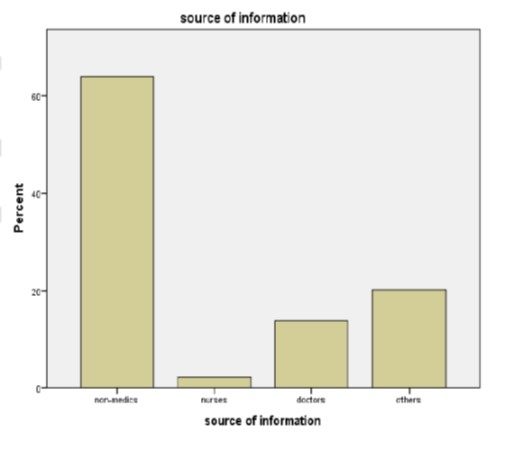
  9. Knowledge, beliefs and health-seeking behaviour of caregivers of children with malignancies

    Introduction: Cancer remains one of the foremost causes of mortality globally, with an estimated 13.1 million deaths projected for 2030. The disease is not confined to the adult population but also affects children. Still, there is a significant lack of awareness and limited available information regarding paediatric cancers in low- and middle-income countries. This study assesses the knowledge, belief and health-seeking behaviour of caregivers who presented with children with malignancies at the Obafemi Awolowo University Teaching Hospitals Complex.

    Methods: After informed consent was obtained, 176 caregivers of consecutive children below 15 years of age diagnosed with malignancies were administered a semi-structured, pretested, and validated questionnaire. Data were analysed using Statistical Product and Service Solution version 20, Chicago, Illinois, USA.

    Results: Most caregivers (83.5%) lacked knowledge about childhood malignancies, with only 16.5% showing awareness, and 73.3% believed the condition was not curable. There was a statistically significant association between the caregivers’ awareness about childhood malignancy and their level of education (p=0.007) and monthly income (p=0.022), between the caregiver’s place of first consultation and level of education (p=0.000).

    Conclusion: Most caregivers are unaware of childhood malignancies, and those who are informed lack comprehensive knowledge. There is a need for public enlightenment nationwide to improve caregivers’ understanding and awareness, enhance positive health-seeking behaviours, and promote early presentation, which has significant implications for improving treatment outcomes and survival rates of childhood malignancies.

Review Article

  1. In utero epigenetic impacts of maternal nutrition, lifestyle and environmental factors and their implications for health in adult life

    The understanding of how gene and the environment interact in controlling disease can now be expanded to include epigenetic reprogramming, which is a key determinant of origins of human disease and development. Epigenetics is defined as heritable changes in gene expression that do not alter DNA sequence but are mitotically and trans-generationally inheritable. Epigenetic reprogramming is the process by which an organism’s genotype interacts with the environment to produce its phenotype. This provides a framework for explaining individual variations and the uniqueness of cells, tissues, or organs despite identical genetic information. The main epigenetic mediators are DNA methylation, histone modification, and non-coding RNAs that regulate crucial cellular functions, and occur during human gametogenesis and early embryonic development along the germ line. Deficiencies in remodeling this epigenome can cause severe developmental defects, infertility, and long-term health issues in offspring. Parental diets, unhealthy parental habits and environmental factors such as exercise, social interaction and climate change may disturb the epigenetic reprogramming processes leading to an aberrant epigenome in the offspring. Here, we review the effects of parental environmental exposures on the epigenetics of gametes and the early embryo, and how those changes influence transgenerational inheritance in humans and rats.

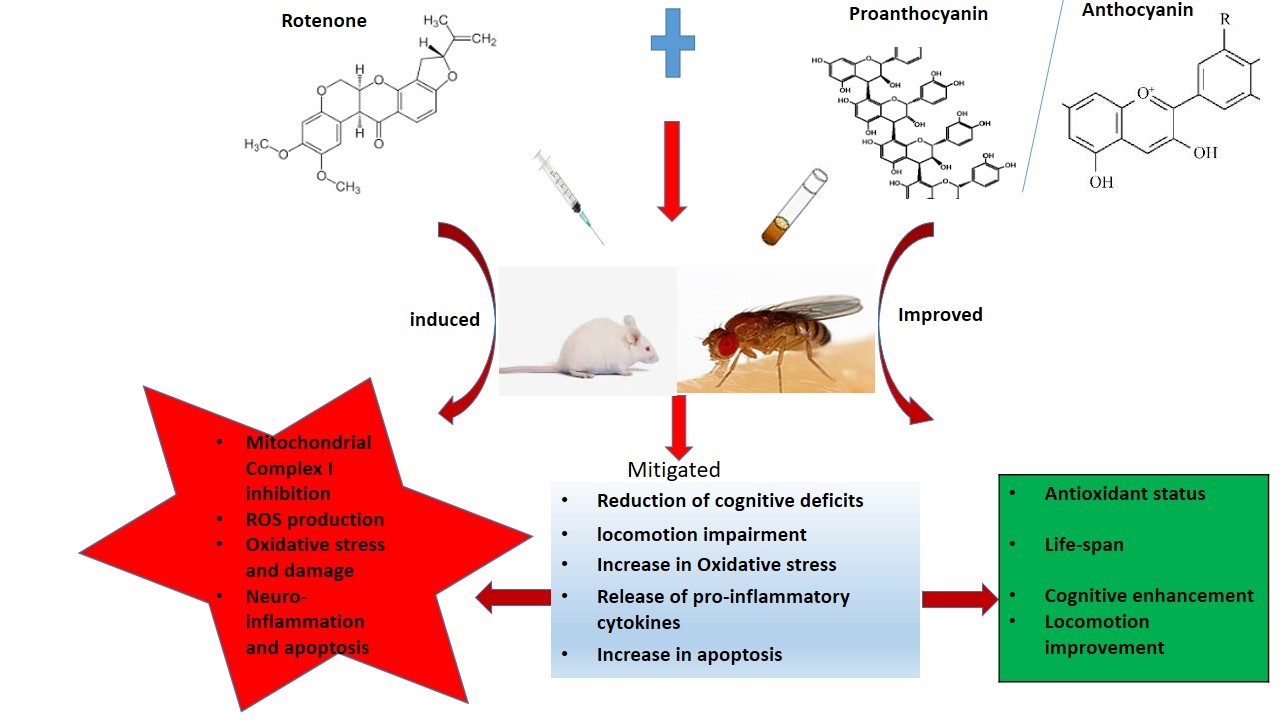
  2. Neuroprotective potential of proanthocyanidins and anthocyanidins against rotenone-induced neurotoxicity: a review across animal and drosophila models

    Introduction: Rotenone, a natural pesticide and neurotoxin, is commonly used to replicate key features of Parkinson’s disease in experimental models due to its ability to disrupt mitochondrial function and trigger oxidative stress, inflammation, and neuronal damage. As interest grows in plant-based therapies, compounds like proanthocyanidins and anthocyanidins found in berries, grape seeds, and colourful fruits, have shown beneficial effects due to their antioxidant and neuroprotective effects. These phytochemicals may counteract the harmful effects of rotenone by preserving mitochondrial health and reducing inflammation. This review aims to synthesize existing evidence on the protective roles of proanthocyanidins and anthocyanidins in animal and Drosophila models exposed to rotenone.

    Methods: This review draws on a broad literature search across PubMed, Scopus, and Web of Science to summarize current evidence on how proanthocyanidins and anthocyanidins protect against rotenone-induced toxicity.

    Results: Key findings indicate that these compounds effectively reduce oxidative stress markers, improve mitochondrial integrity, and alleviate motor deficits in both models. Comparative analysis reveals similarities in mechanisms of action across species while highlighting differences in experimental approaches and outcomes.

    Conclusion: Despite the promising preclinical results, significant gaps remain in translating these findings into human clinical applications. Standardized dosing regimens, deeper mechanistic studies, and clinical trials are essential to harness their full therapeutic potential. This review emphasizes the need for continued exploration of proanthocyanidins and anthocyanidins as adjunctive therapies in neurodegenerative diseases, particularly Parkinson’s disease, offering a pathway toward novel, plant-derived interventions for human health.

Case Report

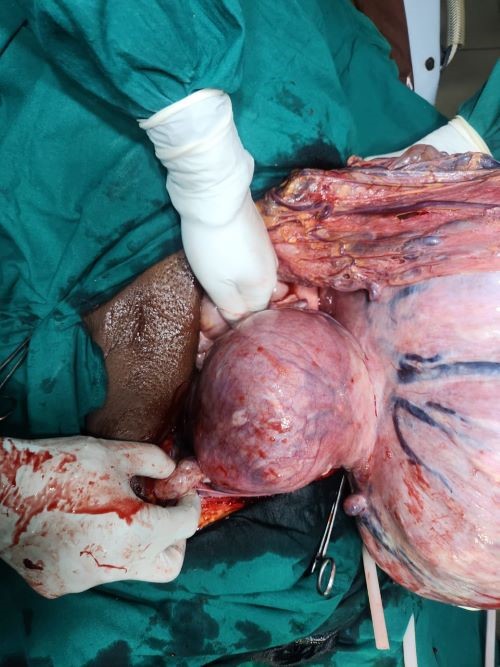
  1. When conception comes with a huge price: a case report of giant uterine leiomyoma co-existing with pregnancy

    Introduction: The management of huge intra-abdominal mass in pregnancy, a rare condition, involves careful evaluation and occasional surgical intervention. Low and middle-income countries are specifically faced with late and often-time, life-threatening presentations of this condition. The managing team should be equipped with the relevant clinical skills to care for this category of patients despite the limited resources at their disposal.

    Case report:  We report a case of a 38-year-old primigravida who presented with a history of progressive abdominal swelling and weight loss of 6 years, as well as severe respiratory distress of 4 months. She had a background history of primary infertility for 14 years and menstrual irregularity of 6 years. The patient had a positive serum pregnancy test and radiological findings in keeping with a giant intra-abdominal mass and a viable pregnancy. An assessment of huge intra-abdominal mass co-existing with pregnancy was made. She eventually had laparotomy with removal of the mass and preservation of the pregnancy after initial resuscitation. The histology of the mass revealed a uterine leiomyoma. The Pregnancy progressed to term and was delivered of a live male neonate via a caesarean section.

    Conclusion: Huge uterine fibroid in pregnancy poses a great challenge because of the associated risks and complications during surgical intervention. However, early detection and prompt decision-making processes reduce or prevent morbidity and mortality from the condition.