Skip to main navigation menu Skip to main content Skip to site footer

Volume 8, No. 2Western Nigeria Journal of Medical Sciences

Published December 31, 2025

Original Article

  1. Assessment of food preferences, eating practices, and nutritional status of multi-drug resistant tuberculosis patients in Osun State, Nigeria

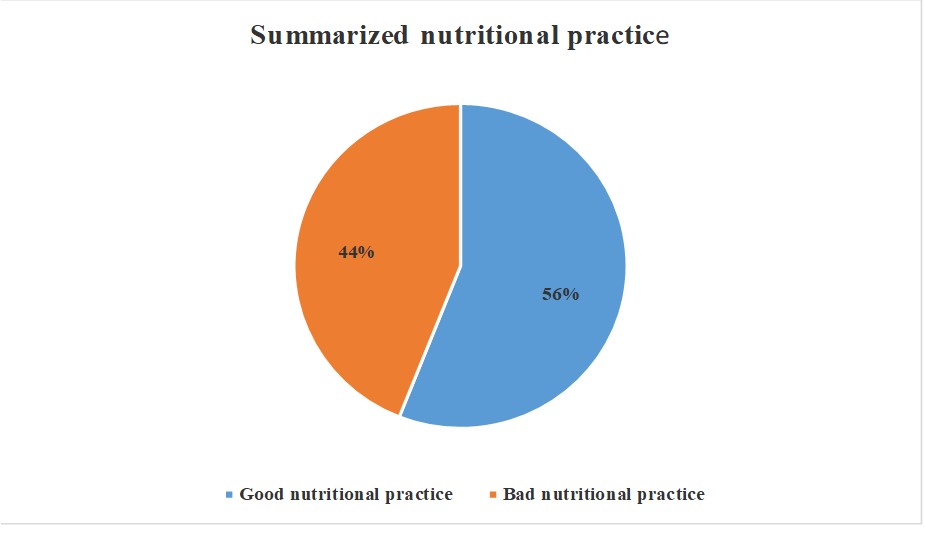
    Introduction: Multi-drug-resistant tuberculosis (MDR-TB) is a public health crisis throughout the world particularly due to its complexities in diagnosis, longer treatment regimen, and adverse drug reaction. This study aims to assess the nutritional practices and factors influencing nutritional status of resistant tuberculosis patients in Osun State.


    Methods: This was a cross-sectional descriptive survey that used multistage sampling technique to select 100 respondents. Data was collected using questionnaire constructed based on study objectives through review of previous literature. SPSS (v 25) was used for the descriptive and inferential analysis of data collected. Level of significance was set at p=0.05.

    Results: The majority of respondents were females (58%), married (68%), and unemployed (57%). The prevalence of malnutrition stood at 41%. Notably, a significant portion of respondents aged 10-19 years were underweight compared to older age groups (P < 0.05). A significant majority of respondents prioritize the expiry date (84%) over cost (16%) and actual food consumption (10%) when buying food, indicating a strong preference for food safety and freshness.Occupation emerged as the sole characteristic with a statistically significant relationship to respondents' nutritional practices (X2 = 7.324, p = 0.026). Additionally, age exhibited statistically significant relationship with respondents' BMI (X2 = 29.121, p = 0.004).

    Conclusion: Prevalence of malnutrition was high among the respondents, particularly among younger age groups. These findings underscore the importance of heightened health promotion efforts on nutrition among MDR TB clients in Osun State.
  2. Renal ultrasonographic patterns in patients with sickle cell disease

    Introduction: This study evaluates the pattern of renal ultrasonographic abnormalities in patients with sickle cell disease.

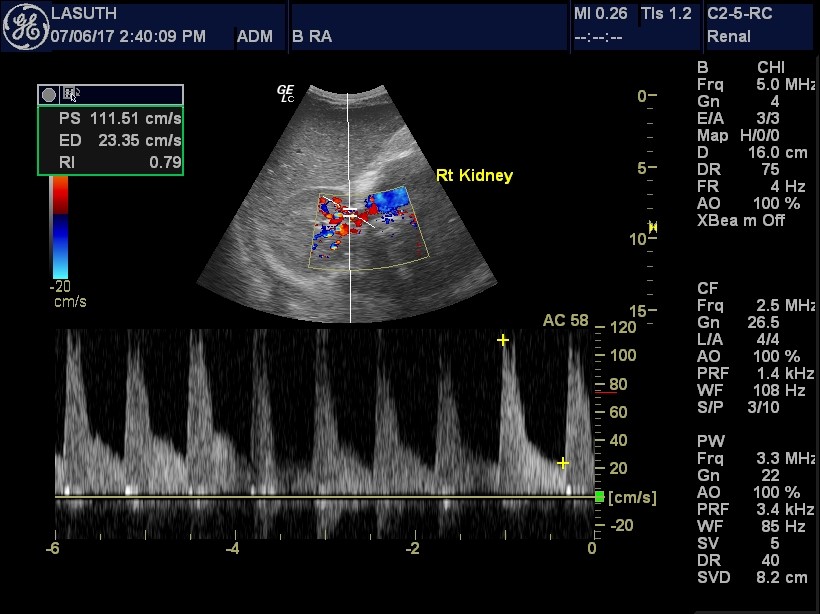
    Methods: This was a prospective study where 100 stable (steady state) sickle cell patients aged between 15 and 60 years (mean ± standard deviation: 24 ± 8.7 years), comprising of 62 females and 38 males had renal ultrasound to assess the renal sizes (volume), blood flow velocity (resistive index) and pattern of renal echogenicity.

    Results: The renal size and resistive index were higher in the study group as compared to controls with statistical significance. 33 kidneys (16.5%) had increased length, 111 kidneys (55.5%) had increased resistive index and 4 kidneys (2%) had abnormal echogenicity, with 2 kidneys having diffuse increase in renal parenchymal echogenicity with partial loss of corticomedullary differentiation (Grade 2), whilst another 2 kidneys had increase renal medullary echogenicity. Other findings documented include simple renal cysts in 6 kidneys (3%).

    Conclusion: Renal ultrasound imaging of patients with sickle cell disease showed an increase in renal size and resistive index as compared to controls, with other renal abnormalities such as increase parenchymal / medullary echogenicity and cysts.

  3. Cobalt chloride attenuated unhealed gastric ulceration in male Wistar rats: role of blood inflammatory markers

    Introduction: Gastric ulcer (GU) relapses in healing with symptoms of anaemia, mostly in those with prolonged use of antacids. The gastroprotective and facilitated healing of experimental gastric ulcer by Cobalt chloride (CoCl2) have been documented. However, its activities during GU relapse using the Delayed Gastric Ulcer (DGU) healing model are unknown which this study evaluates.

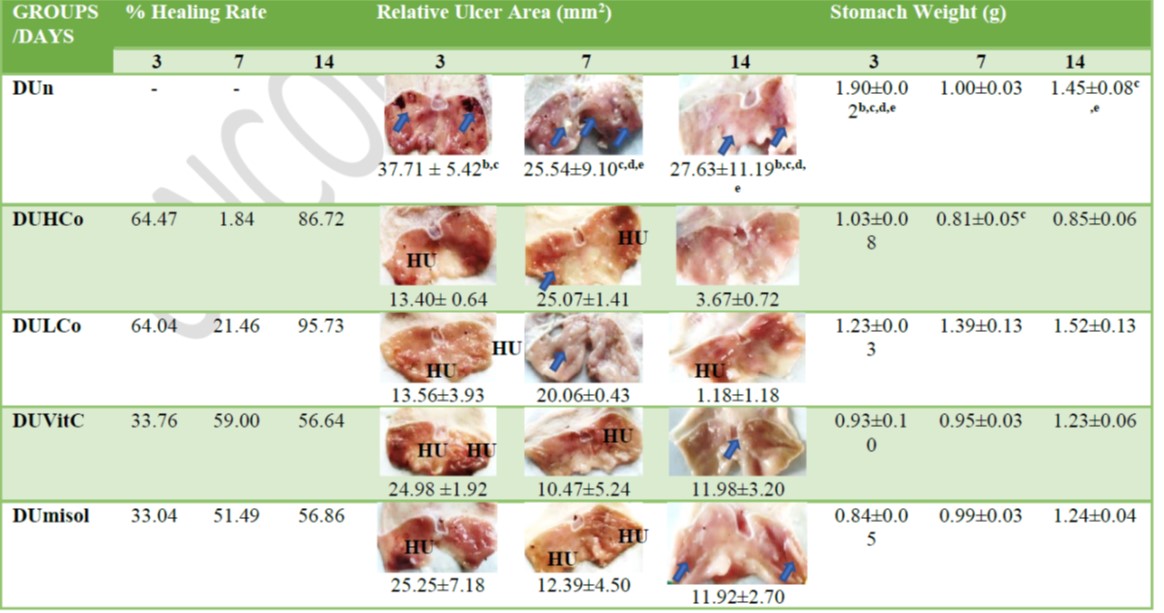
    Methods: Seventy-five (75) male Wistar rats (120–150g; n=15) were grouped, 1-Delayed Ulcer untreated (DUn), II, III, IV, and V treated with 62mg/kg, 25mg/kg CoCl2, 1mg/kg vitamin C and 1mg/kg misoprostol respectively after inducing DGU. On treatment days 3, 7 and 14 ocular vein was puncture for blood collection and analysis; thereafter, animals were sacrificed while GU scoring, biochemical analysis and histological evaluation on excised stomach tissues were done. Results were analyzed statistically using analysis of variance.

    Results: Haemoglobin content, PCV, RBC, and Platelet counts significantly increased by day 3 but WBC count reduced by days 7 and 14 in DUn compared with other groups. Neutrophil/lymphocytes, Monocytes/lymphocytes, and Platelet/lymphocyte significantly increased in DUn compared with CoCl2 groups. Platelet/lymphocyte significantly increased in CoCl2-treatment compared with DUn on days 14. The ulcer score, superoxide dismutase activities, nitric-oxide level, Parietal and mucosa cells significantly decreased but MDA level increased in DUn compared with CoCl2 on days 3, 7, and 14. Histological evaluation revealed healing with preserved epithelial cells and architecture from day7 in CoCl2 groups.

    Conclusion: Cobalt chloride attenuated unhealed gastric ulcer and associated anemia via reduced blood inflammatory markers, nitric oxide levels, and mucous cell count.

  4. Knowledge, attitude and willingness towards organ donation and transplantation among medical students in a tertiary institution in Nigeria

    Introduction: Organ donation and transplant have become one of the greatest advances in medical science. It is increasingly used worldwide as a treatment protocol for end-stage organ failure and disease. The aim of this study is to assess the knowledge, attitude and willingness towards organ donation and transplantation among medical students in Ladoke Akintola University of Technology, Ogbomosho, Oyo State.

    Methods: This is a cross-sectional study using a quantitative method of data collection. A semi-structured, self-administered questionnaire was used in collection of data from 181 respondents using a multiphase sampling technique. Data was analyzed using IBM SPSS version 27.0 at 95% significance with a p-value of <0.05. Quantitative data were presented using frequency distribution tables, graphs, and charts and association between categorical variables was assessed using chi-square.

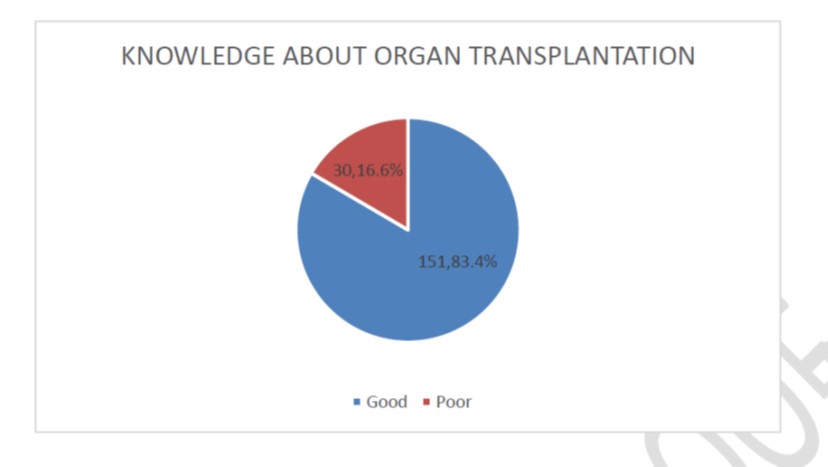
    Results: This study showed that majority of the respondents (154, 83.7%) possess good knowledge of organ donation while a few (30, 16.3%) exhibit poor knowledge. In this study, 51.6% (95) of respondents are not willing to donate their organs, but 48.4% (89) are willing to donate. Academic level of respondents was statistically significant with both knowledge as well as attitude towards organ donation and transplantation. The reason 62 (33.7%) of respondents are not willing to donate their organs is because they feel organ donation can lead to death.

    Conclusion: Academic level of respondents was statistically associated with knowledge and attitude towards organ transplantation. Health education in raising the awareness of the shortage and subsequent need of organ donation and transplantation is needed.

  5. Prostate-Specific Antigen levels among men living in a rural community in Kogi state, Nigeria

    Introduction: The burden of prostate cancer in Nigeria is the highest in Africa, with a handful of studies reporting the prevalence of the disease mostly from urban areas. There is a paucity of data on the disease prevalence in men in rural underserved areas of Nigeria, which make up over 45 % of the >200 million population. This study, therefore, investigated the Prostate-Specific Antigen levels among Men living in a rural community in Kogi state, Nigeria.

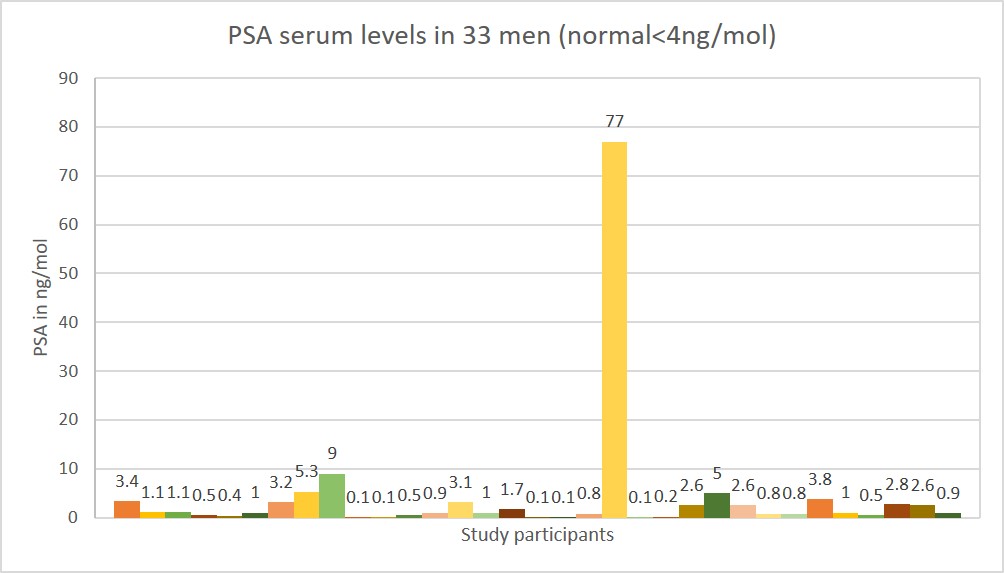
    Methods: In this descriptive cross-sectional community-based study, a non-probability convenience sampling technique was used to select the participants. As part of the cancer awareness campaign of the Dove-Haven Foundation, blood samples from 33 men were screened for Prostate-Specific Antigen (PSA) in the rural areas of Yagba East Local Government Area of Kogi state, Nigeria.

    Results: The mean age of participants was 52.5 years. The range of PSA values obtained was 0.1 - 77 with mean value of 4.06. Of the participants tested, 8.8 % had PSA levels of >4 ng/mol, while 2.9 % had PSA levels of >76 ng/mol. These participants have been recommended for direct rectal exams to rule out early prostate cancer.

    Conclusion: Our result showed that there were high levels of Prostate-Specific Antigen among the Men living in this rural community. This underscores the importance of prostate screening exercises in rural underserved communities to enhance early detection and reduce prostate cancer burden.

Review Article

  1. Systematic approach to requesting and interpreting chest X-ray and its principles: what every clinician must know

    Introduction: Clinicians should be able to exclude major abnormality in radiographs, while the radiologist is abased with high complex imaging.  In both medical and surgical practice, X-ray is the most common imaging for diagnostic and therapeutic uses. For initial assessment, plain X-ray is the finest method to visualize the bony skeleton. Chest X-ray (CXR) is the main modality to visualize the lung, pleura and mediastinal abnormalities. Clinicians making chest X-ray request must be mindful of dangers of radiation exposure.  The number of chest radiographs requested can overwhelm the number of radiologists in developing countries. Quality assurance studies shows discordance between interpretation reports by emergency physicians and radiologists narrowed to 1.1% from 45% in developed nations. Basic chest X-ray is what every doctor that contact patients must be competent at interpreting starting with medical students, to close the discordance gap in developing nations, and hence the purpose of this paper which presents the principles guiding chest X-rays, from request to interpretation as a refresher that improves clinician’s diagnostic accuracy.

    Methods: Relevant literature search using key words like chest, X-ray, systematic, interpretation and clinician in Medline, Ajol, Embase and Google scholar were done. Articles were selected for relevance to chest radiograph.

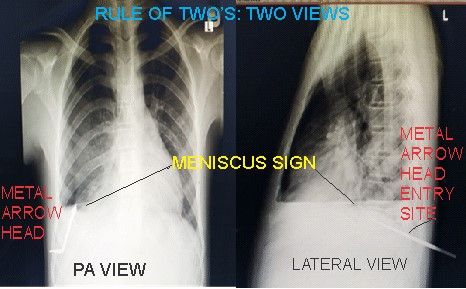
    Result: A detailed guide to requesting and interpreting CXR is presented

    Conclusion: Clinicians can increase precision of chest X-ray interpretation acumen from practice and training.


  2. An exploration of strategies to enhance meaningful male participation in reproductive, maternal and child healthcare

    Introduction: The need for greater knowledge, education, and responsibility of men in family healthcare is highlighted by men’s activities in improving reproductive, maternal, and child health across various facets of healthcare. The study aims to explore strategies for enhancing meaningful male engagement in reproductive, maternal, and child health (RMCH) care.

    Methods: Factors influencing and strategies for enhancing meaningful male participation were explored using a narrative approach to search the literature.

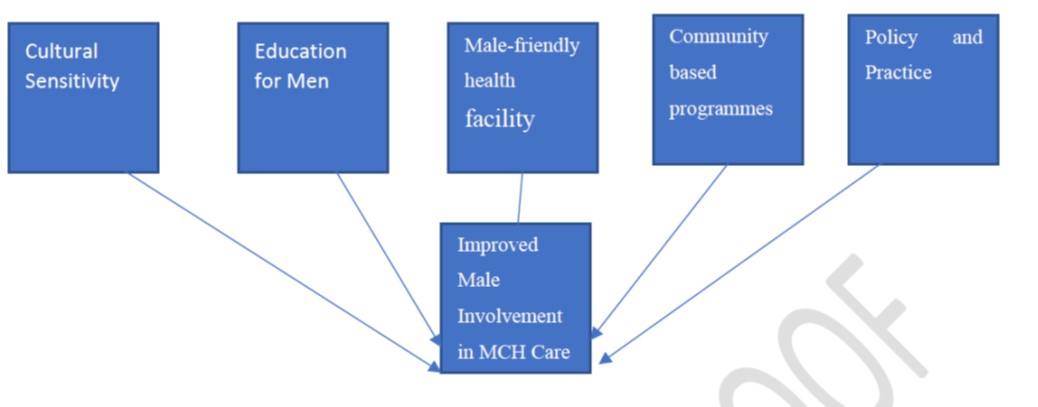
    Results: The identified strategies were cultural sensitivity, education for men, male-friendly health facilities, community-based programmes, good policies, and facilities. The exploration implies that families can benefit overall when men are encouraged to participate meaningfully in various activities of different stages of reproduction, maternal, and child health.

    Conclusion: Men are to be motivated to actively engage in all phases of reproductive, maternal, including child health care, and in the implementation of the identified strategies to enhance men's engagement positively.

  3. Evaluating the effectiveness of cognitive behavioural therapy in reducing substance use among adolescents in Nigeria: a systematic review

    Introduction: Adolescent substance use in Nigeria is an escalating public health issue, with increasing abuse of cannabis, alcohol, prescription drugs, and inhalants. Adolescents represent about 60% of the country's population, placing them at high risk for academic underperformance, psychological disorders, and social challenges. Although Cognitive Behavioural Therapy (CBT) is recognised as an effective treatment for substance use disorders, its adaptability and effectiveness within Nigeria’s cultural and resource-constrained settings require further investigation. This study aimed to assess the effectiveness of CBT in reducing substance use and improving behavioural outcomes among adolescents in Nigeria.


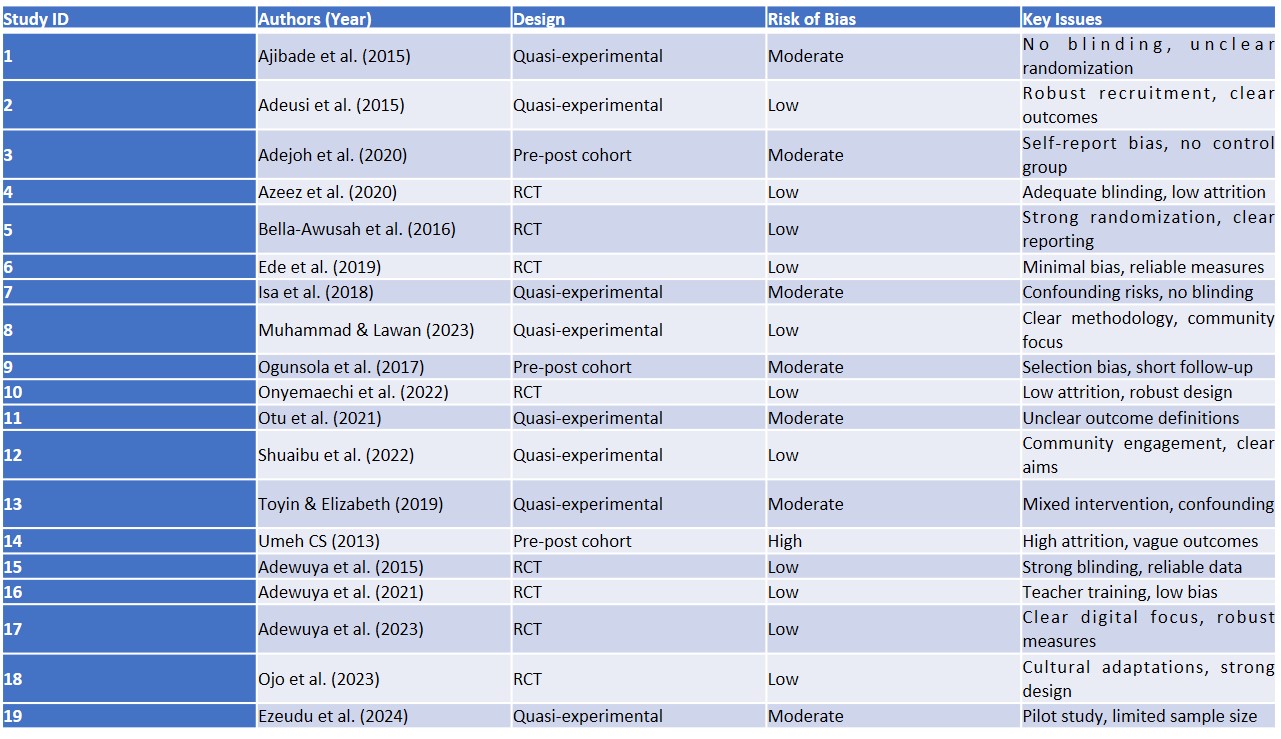
    Methods: A systematic review was conducted following PRISMA 2020 guidelines. Databases searched included PubMed, African Journals Online, PsycINFO, Scopus, and institutional repositories. Eligible studies involved Nigerian adolescents aged 10–19 who received CBT or its core components compared with standard care, no treatment, or alternative therapies. Outcomes measured included changes in substance use and behavioural patterns. Risk of bias was assessed using the Cochrane Risk of Bias Tool for randomized controlled trials and the CASP checklist for non-randomised studies. Due to variations in study characteristics, a narrative synthesis was used.


    Results: Nineteen studies involving about 1,960 adolescents showed that CBT, administered individually or in group settings over 4–12 weeks, significantly reduced substance use and improved self-esteem, coping skills, and depressive symptoms. However, study quality varied and long-term data was limited.


    Conclusion: CBT demonstrates potential as an effective intervention for adolescent substance use in Nigeria. Further long-term research is essential to support broader implementation.

Case Report

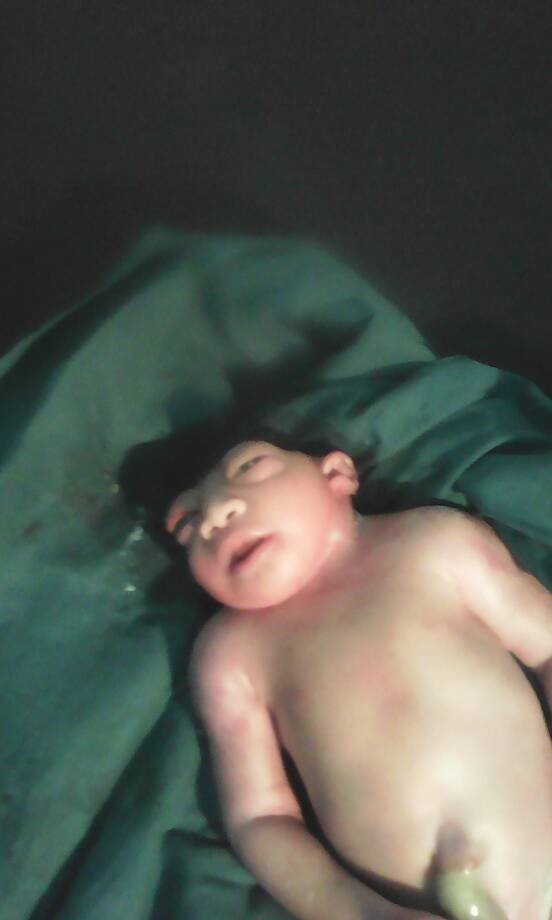
  1. Incidental prenatal diagnosis of anencephaly in a fetus of a 32-year-old woman at 32 weeks gestation

    Introduction: Anencephaly is a congenital central nervous system anomaly associated with absence of the skull vault and normal brain tissue with exposure of intracranial structures to the amniotic fluid. It is not compatible with life, with death occurring in most cases before birth. Genetic mutations, medications and environmental factors are some of the causative factors.

    Case Report: Incidental prenatal diagnosis of anencephaly in a fetus of a 32-year-old multiparous woman at 32 weeks gestation is reported. The prenatal diagnosis, mode of delivery and the clinical findings on the fetus are discussed.

    Conclusion: The index case highlights the importance of routine antenatal drug compliance especially folate in prevention of neural tube defects and early prenatal ultrasound screening in detection of congenital abnormalities of the central nervous system.

  2. Mesenteric panniculitis: A case report.

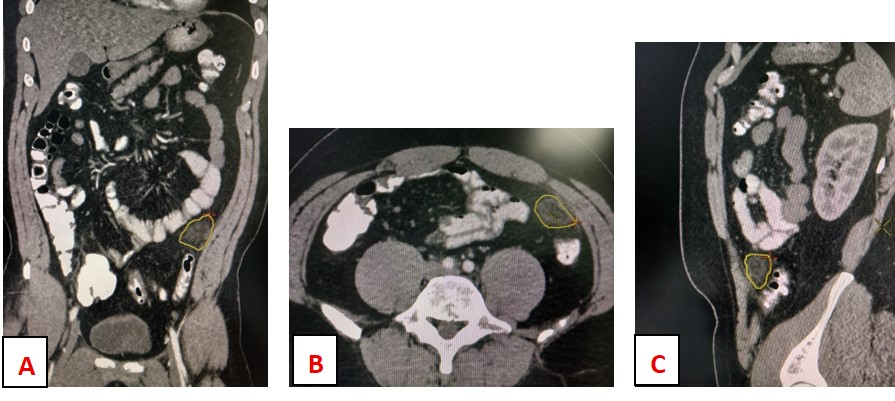
    Introduction: Mesenteric panniculitis is a clinical entity that could pose a diagnostic conundrum to the managing physician. Plain radiographs and sonography are unfortunately not helpful in establishing the diagnosis. But with the computerized tomogram (CT scan), the diagnosis is established. This saves the patient from earning an unwarranted surgical intervention.

    Case Report: This is a report of a patient who presented with features of acute abdomen and equivocal clinical and laboratory findings. Plain radiographs and sonographic evaluation did not prove useful. However, computerized tomography was the main diagnostic modality demonstrating a hyper-enhancing rim that is unrelated to the bowel. Radiological evaluation with computerized tomography confirmed the diagnosis and this patient was managed non-operatively with good outcome.

    Conclusion: Clinicians should bear in mind a clinical entity such as mesenteric panniculitis, as a differential diagnosis of abdominal pain with attendant equivocal laboratory parameters.

  3. Hydranencephaly in a 2 months old infant with a working diagnosis of severe hydrocephalus

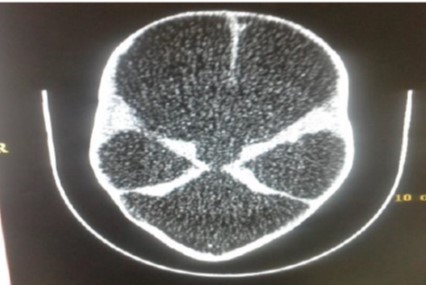
    Introduction: Hydranencephaly is a rare central nervous system disorder in which some portions of the cerebral hemisphere are destroyed and replaced with cerebrospinal fluid. It is a lethal condition most often caused by thrombosis of the cerebral arteries or less commonly an in-utero infection. Affected infants present with severe hydrocephalus with or without regions of cortical mantle if destruction is ongoing, making diagnosis a challenge.

    Case Report:  Hydranencephaly in a 2 months old infant with a working diagnosis of severe hydrocephalus is presented.

    Conclusion: The case highlights the value of medical imaging in the evaluation, diagnosis and management of a challenging clinical condition.

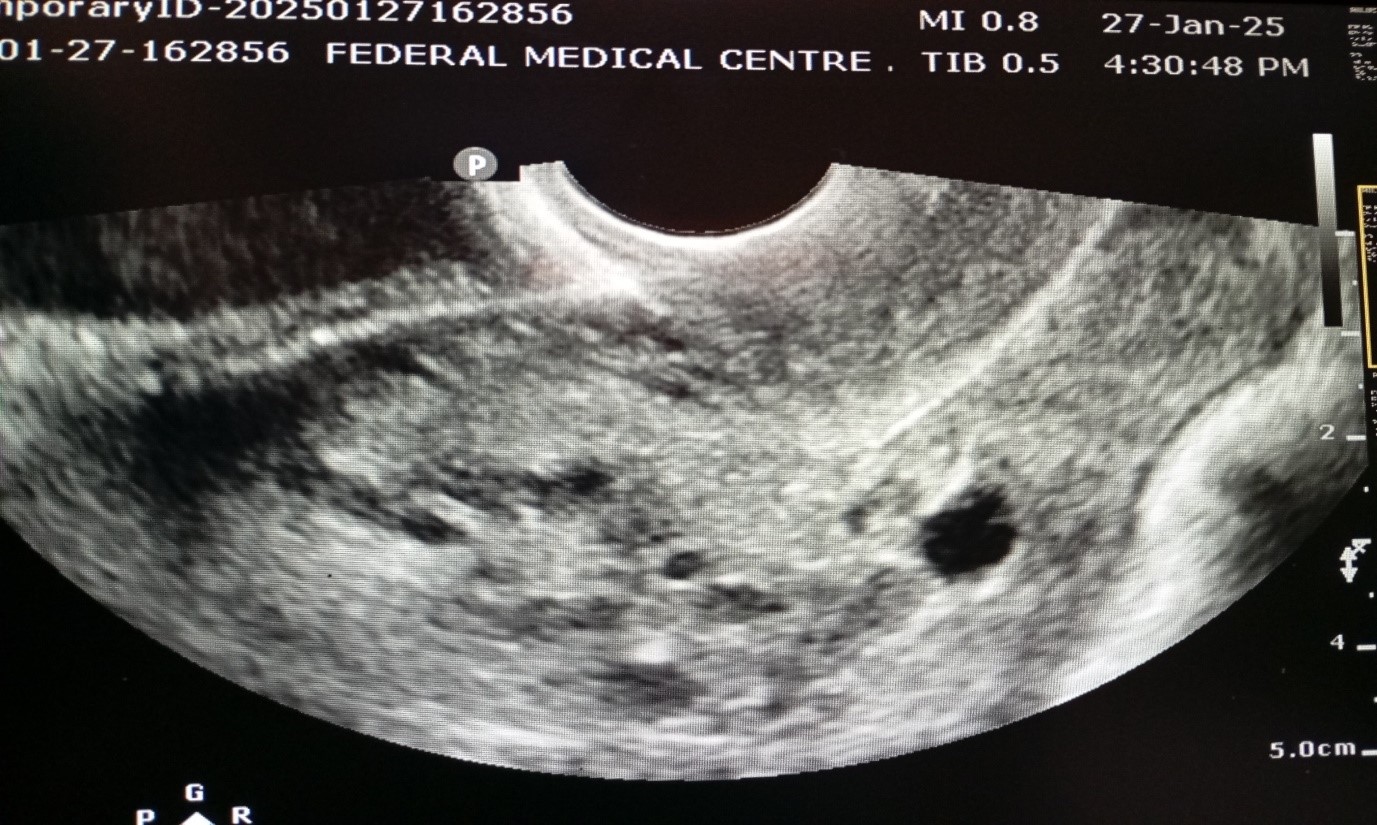
  4. An unusual postpartum ectopic pregnancy: A case report

    Introduction: Ectopic pregnancy (EP) is a life-threatening condition and a leading cause of maternal morbidity and mortality, particularly in the first trimester. While most cases occur in the fallopian tube, postpartum EP is rare and often difficult to diagnose due to its atypical presentation. Early detection is critical to prevent complications such as rupture and haemorrhage, especially in resource-limited settings where diagnostic tools are limited.

    Case Report: We report a case of a 32-year-old multiparous woman who presented with acute lower abdominal pain and no vaginal bleeding, five months postpartum following a Caesarean section. She was breastfeeding and had no prior history of EP or other known risk factors. The clinical examination revealed lower abdominal tenderness, along with stable vital signs. An abdominopelvic ultrasound showed a complex adnexal mass with no intrauterine gestation, and serum β-hCG levels were elevated at 3074 IU/L. An emergency exploratory laparotomy confirmed a ruptured left fimbrial ectopic pregnancy with 550 mL of hemoperitoneum.

    Conclusion: This case highlights the need for high clinical suspicion in postpartum patients presenting with unexplained abdominal pain. Early diagnosis and prompt intervention are crucial to reducing maternal morbidity and mortality, particularly in resource-limited settings.